
In This Article
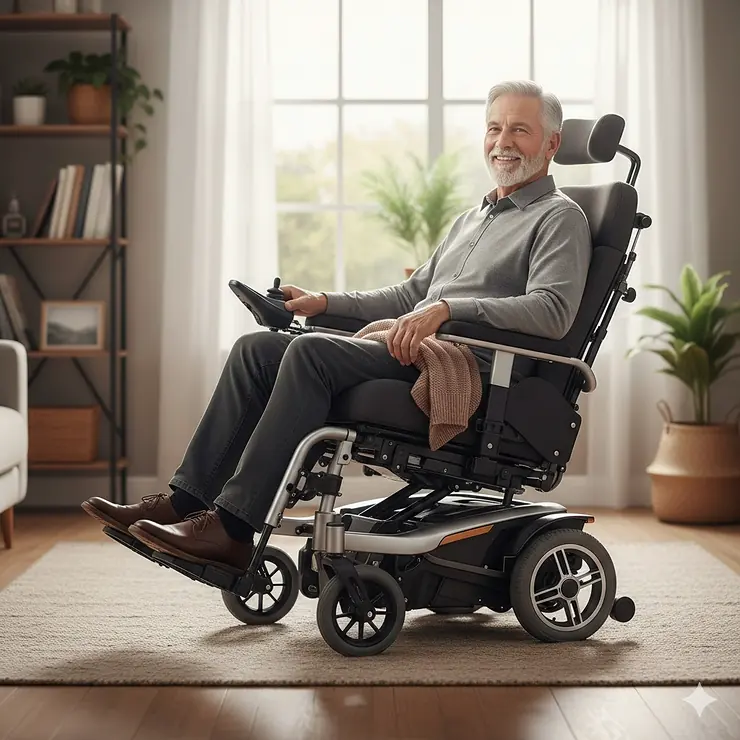
Finding the right mobility solution transforms daily life, and reclining electric wheelchair technology has advanced dramatically in 2026. If you spend hours in a wheelchair each day, the ability to adjust your position isn’t just comfort—it’s essential for health. These mobility aids combine power wheelchair freedom with advanced positioning features that prevent pressure sores, improve circulation, and provide flexibility to rest comfortably anywhere.
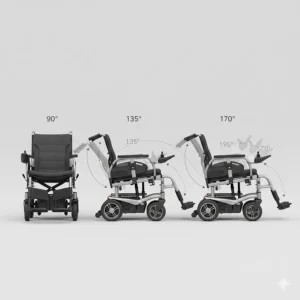
Unlike standard power wheelchairs, a reclining electric wheelchair offers multiple positioning options through adjustable backrest angles, typically ranging from 90 to 160 degrees. Combine this with elevating leg rest wheelchair features for comprehensive pressure relief positioning that medical professionals recommend. Many modern units incorporate tilt in space wheelchair technology and even standing electric wheelchair capabilities. Whether managing spinal cord injury, recovering from surgery, or needing better daily support, understanding these features helps you choose the perfect match for your lifestyle.
Quick Comparison Table
| Product | Recline Angle | Range | Weight | Price Range | Best For |
|---|---|---|---|---|---|
| Rubicon DX11 | 90-160° | 25-30 mi | 64 lbs | $1,699-$2,199 | All-around performance |
| Easwe G10 | 90-145° | 28 mi | N/A | $1,899-$2,399 | Long-distance travel |
| ActiWe WX9000 | 90-160° | 20 mi | 62 lbs | $1,499-$1,899 | Budget-conscious |
| ComfyGo X-9 | Auto-recline | 13-19 mi | 92 lbs | $2,499-$2,999 | Premium auto-recline |
| ComfyGo IQ-9000 | Auto-recline | 19 mi | 52 lbs | $2,299-$2,799 | Lightweight travelers |
| 2026 New Reclining | 90-135° | 30 mi | N/A | $1,799-$2,299 | Maximum range |
| ComfyGo IQ-8000 | Manual-recline | 10-17 mi | 49 lbs | $1,599-$1,999 | Ultra-lightweight |
💬 Just one click – help others make better buying decisions too!😊
Top 7 Reclining Electric Wheelchairs: Expert Analysis
1. Rubicon DX11 Reclining Foldable Electric Wheelchair
The Rubicon DX11 stands as 2026’s most versatile reclining electric wheelchair option, delivering exceptional value. This powerhouse features manually adjustable backrest smoothly transitioning from 90° to 160° recline, giving complete control over posture. The detachable headrest adds customization, perfect whether actively navigating or settling for midday rest.
Key Specifications: Dual 250W motors (500W total) with 25-30 mile range, 330 lbs capacity, weighs only 64 lbs, aircraft-grade aluminum construction.
Customers praise the power recline function quality and impressive hill-climbing ability up to 12°. Electromagnetic braking provides peace on slopes, while the compact 20-inch turning radius makes indoor navigation effortless.
✅ Pros: Extended battery life, premium build quality, excellent customer support
✅ Pros: Bluetooth remote control, airline-approved batteries
✅ Pros: Folds in 3 seconds for easy transport
❌ Cons: Manual recline requires upper body strength
❌ Cons: Higher price than basic models
2. Easwe G10 Reclining Electric Wheelchair with Dual Batteries
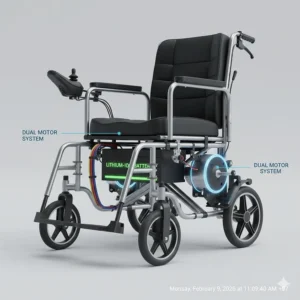
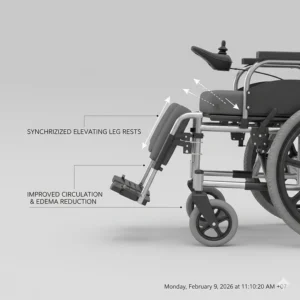
For range priority, the Easwe G10 delivers impressive 28 miles per charge via innovative dual 10.4AH lithium battery system. This 2026 model represents a leap in adjustable backrest angle technology, offering 90°-145° recline providing excellent pressure relief positioning. Synchronized leg rest adjustment is clever—as you recline, leg rests automatically adjust maintaining optimal circulation.
Key Specifications: 500W brushless motor with IPX5 water resistance, dual battery system with USB charging, multi-directional adjustable headrest.
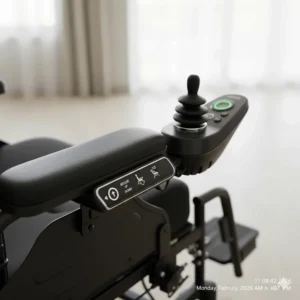
Users love the built-in USB port keeping devices charged during outings. The 360° LED joystick controller offers precise maneuvering, while anti-tip rear wheels ensure safety.
✅ Pros: Industry-leading 28-mile range for day trips
✅ Pros: Waterproof construction handles light rain
✅ Pros: 5-year frame warranty with 1-year accessories
❌ Cons: Higher initial investment
❌ Cons: Heavier weight challenges solo handling
3. ActiWe WX9000 Reclining Electric Wheelchair
The ActiWe WX9000 proves you don’t need premium prices for quality reclining. This well-engineered chair offers 90° to 160° manual recline with detachable adjustable headrest. User-friendly dual-mode operation lets you flip a simple red lever switching between electric and manual modes.
Key Specifications: 500W dual motors, 20-mile range with 12AH battery, weighs 62 lbs with 330 lbs capacity.
High-density foam seat breathes well and removes for cleaning. Storage includes three compartments: one behind seat and two armrest bags keeping essentials accessible.
✅ Pros: Excellent value, US-based company
✅ Pros: 30-day return policy with responsive service
✅ Pros: Reaches 4 mph on various terrain
❌ Cons: Battery warranty only 6 months
❌ Cons: Limited color options
4. ComfyGo X-9 Electric Wheelchair with Automatic Reclining
The ComfyGo X-9 eliminates positioning hassle with sophisticated automatic reclining backrest and independent lifting leg rests. This comprehensive positioning system responds to remote control commands, giving you or caregivers complete comfort control. Independent right and left leg rest control benefits different circulation needs.
Key Specifications: Remote-controlled automatic recline and leg lift, 500W motors with 13-mile range (20AH option: 19 miles), weather-resistant 360° joystick with LCD display.
Feedback highlights silent, smooth power recline function operation, making adjustments discrete publicly. Intelligent electromagnetic brakes provide safety advantages over traditional systems.
✅ Pros: Fully automated positioning needs minimal effort
✅ Pros: Remote control allows caregiver assistance
✅ Pros: Breathable cushions prevent sweating
❌ Cons: Heavier at 92 lbs
❌ Cons: Premium pricing reflects advanced features
5. ComfyGo IQ-9000 Auto Recline Electric Wheelchair
The ComfyGo IQ-9000 balances weight and features perfectly at just 52 lbs without battery while delivering robust automatic reclining. This makes it the lightest tilt in space wheelchair alternative without sacrificing comfort. Digital joystick features LCD display showing battery level, speed, and diagnostics.
Key Specifications: Ultra-lightweight aircraft-grade aluminum frame, 500W dual motors with 19-mile range, supports up to 310 lbs.
Memory foam padding provides genuine all-day comfort in such lightweight package. The 20-inch wide seat accommodates various body types, and automatic recline transitions smoothly without jerking.
✅ Pros: Exceptional weight-to-performance ratio
✅ Pros: Hassle-free 30-day return guarantee
✅ Pros: Color customization available
❌ Cons: Shorter range than dual-battery models
❌ Cons: Auto-recline adds complexity
6. 2026 New Reclining Electric Wheelchair with Telescopic Handle
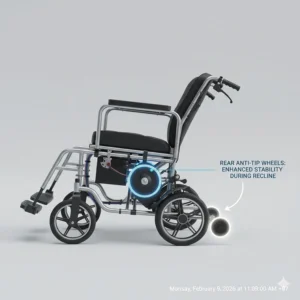
This 2026 release introduces ingenious telescopic handle completely retracting under seat when unused. The adjustable backrest angle spans 90° to 135°, covering most-used positions for pressure relief positioning effectively.
Key Specifications: Dual 12Ah lithium-ion removable batteries, 30-mile maximum range, 500W total power.
Users appreciate independent headrest height and angle adjustment for perfect head-neck support. Upgraded anti-tilt rear design provides excellent stability when fully reclined.
✅ Pros: Industry-leading 30-mile range
✅ Pros: Innovative telescopic handle
✅ Pros: Independent headrest adjustment
❌ Cons: 280 lbs weight limit lower
❌ Cons: Limited long-term reviews
7. ComfyGo IQ-8000 Reclining Electric Wheelchair
For travelers prioritizing portability, the ComfyGo IQ-8000 at 49 lbs (without battery) represents lightweight engineering pinnacle. Manual reclining may lack automation but gains simplicity and reliability. Adjustable reclining backrest moves smoothly with minimal electronic components.
Key Specifications: Weighs 55 lbs with battery, 500W motors with 10-17 mile range, remote control included.
Under-seat storage provides surprising space while remote control lets family help navigate crowded areas. Aviation approval makes air travel straightforward.
✅ Pros: Ultra-lightweight for frequent travelers
✅ Pros: Simple manual recline reduces maintenance
✅ Pros: Competitive pricing
❌ Cons: Lower range than dual-battery models
❌ Cons: Manual recline requires strength
✨ Don’t Miss These Exclusive Deals!
🔍 Take your mobility to the next level with these carefully selected products. Click on any highlighted item to check current pricing and availability. These tools will help you create authentic comfort your family will love!
Understanding Tilt vs Recline Systems
Many confuse tilt in space wheelchair technology with reclining systems, serving distinctly different purposes. A reclining electric wheelchair changes seat-to-backrest angle—like adjusting a recliner. Your hips open and legs extend naturally, working wonderfully for breaks and pressure relief positioning, though it involves movement within the chair affecting postural alignment.
True tilt in space wheelchair maintains exact seat-to-back angle while tilting your entire seated position backward as one unit. This prevents shearing forces from sliding down during reclining, superior for fragile skin or users who can’t reposition independently. Research from the National Institutes of Health demonstrates tilt angles between 25-65° provide effective pressure relief by redistributing weight away from ischial tuberosities, while angles under 15° show minimal benefit.
Your choice depends on mobility level and medical needs. Good trunk control and weight-shifting ability? Reclining electric wheelchair with power recline function provides excellent versatility. Limited repositioning ability, frequent pressure sores, or skin integrity issues? Tilt in space wheelchair becomes medically necessary. Combined tilt and recline offers best of both worlds.
Power Recline: Manual vs Automatic
Manual reclining requires physically adjusting the backrest via lever or cable mechanism. The Rubicon DX11 and ActiWe WX9000 use this approach—press release, manually move backrest. Simple, reliable, no batteries to worry about. This means less weight, lower maintenance, fewer malfunctions.
Downsides? You need reasonable upper body strength and reach. Limited arm function or severe arthritis? Achieving perfect adjustable backrest angle proves challenging without assistance. Many users start with manual recline, later upgrading as needs change.
Automatic power recline function, like ComfyGo X-9 and IQ-9000, transforms positioning into button-press operation. Electric motors smoothly adjust backrest while you control via joystick. This isn’t just convenience—it’s independence. Change positions throughout the day without assistance, responding to your body’s needs immediately.
The CDC recognizes regular pressure relief as crucial for preventing tissue damage, and power systems make recommendations achievable. Studies show wheelchair users with automatic positioning perform pressure reliefs more frequently than those relying on manual methods.
Power recline adds weight (10-15 lbs), complexity, and cost. You’re introducing motors requiring occasional maintenance. Battery range decreases slightly. For many users, these trade-offs pale compared to independent positioning freedom.
Elevating Leg Rest Benefits
Elevating leg rest wheelchair features deserve attention often overlooked until experiencing the difference. Raising legs improves cardiovascular health and reduces complications plaguing wheelchair users. Elevating legs 20-30 degrees above heart level dramatically improves venous return, helping blood flow back to your heart instead of pooling in lower extremities.
This matters tremendously for edema (swelling), varicose veins, or diabetic complications affecting feet and legs. Research on wheelchair positioning indicates combining recline with leg elevation provides superior pressure distribution compared to recline alone. Elevation reduces thigh pressure and redistributes weight evenly, preventing painful pressure points.
True elevating leg rest wheelchair systems, like ComfyGo X-9, use powered mechanisms smoothly raising lower legs while adjusting knee angle. Synchronized movement prevents uncomfortable knee pressure and maintains proper circulation. Independent left-right control addresses often-overlooked needs—many users have different circulation requirements per leg from injuries or asymmetric conditions.
Magic happens combining elevating leg rest with reclining backrest. Reclining from 90° to 145° while elevating legs creates “gravity-neutral” position. Body weight distributes evenly, pressure points diminish, cardiovascular system gets a break. Users report this combination allows comfortable sitting much longer, reducing fatigue and bed transfer needs.
Pressure Relief: Medical Necessity
For many wheelchair users, pressure relief positioning isn’t optional—it’s medical necessity preventing serious complications. Pressure injuries affect nearly 25% of spinal cord injury patients annually, causing immense suffering, lengthy hospitalizations, and billions in healthcare costs. These injuries develop when constant pressure restricts blood flow to skin and tissues, causing cell death and ulcers. Tissue damage begins at cellular level before visible skin changes, meaning prevention must happen continuously.
Systematic reviews in PubMed found proper positioning equipment with regular pressure relief maneuvers significantly reduces pressure injury incidence. Reclining electric wheelchair directly addresses this by redistributing pressure from sitting bones to back, sides, and legs throughout the day.
Reclining backrest even 25-30 degrees immediately reduces ischial tuberosities pressure by shifting weight toward backrest. Research shows forward leaning provides most pressure relief if sustained, but it’s hardly practical. Reclining 45-65 degrees while elevating legs achieves similar reduction with better sustainability—you can maintain this while reading, watching TV, or conversing.
The adjustable backrest angle feature lets you vary positions throughout the day, precisely what pressure injury prevention protocols recommend. Shift between 90° upright for meals, 120° semi-recline for relaxation, and 160° full recline for naps. This variation prevents single-area constant pressure, giving tissues regular recovery opportunities.
Healthcare providers typically recommend pressure reliefs every 15-30 minutes seated. For users who can do vertical lift push-ups using armrests, that’s ideal but requires significant strength. For everyone else, power recline function becomes practical solution. Even small 15-20 degree recline adjustments held 1-2 minutes significantly increase blood flow. Consistency matters—automated reminders help establish healthy routines.
Battery Life and Range Considerations
Adding power recline function impacts battery consumption, though less dramatically than feared. Each recline consumes power equivalent to roughly 30-60 seconds driving, depending on motor size and weight. Typical users adjusting positions 10-15 times daily translates to maybe half-mile reduced range—noticeable but not prohibitive. Bigger consideration is how battery capacity aligns with usage patterns.
Standard 12AH batteries, like ActiWe WX9000, typically deliver 10-13 miles normally. Perfect for neighborhood trips, errands, or primarily indoor use with occasional outdoor excursions. Plug in nightly, start each day fully charged. However, all-day outings, events away from charging, or peace of mind from surplus capacity make dual battery systems tremendously sensible.
The Easwe G10 and dual-battery models don’t just extend range—they fundamentally change wheelchair use. With 28+ miles capacity, you’re free for spontaneous trips, last-minute invitations, or simply not obsessing over charge levels. Many users report this psychological freedom matters as much as practical extension. You’re not constantly calculating whether you have enough juice home, reducing anxiety and increasing confidence venturing further.
Dual batteries also provide redundancy. One battery develops issues or you forgot charging one? Still operate on remaining battery rather than being stranded. Charge batteries separately, on or off chair, adds flexibility. Just note dual setups add weight (8-12 lbs total) and cost.
All quality reclining electric wheelchairs now use lithium-ion batteries rather than older lead-acid technology. Lithium batteries charge faster (4-7 hours vs 12+ hours), weigh much less, and don’t suffer “memory effect.” Top off charge anytime without harming longevity. Airline approval requires batteries under 300 watt-hours—the Rubicon DX11, ComfyGo models meet these TSA requirements.
Indoor vs Outdoor Performance
Your reclining electric wheelchair needs excellence in both environments, but engineering priorities differ substantially. Indoor navigation demands tight turning radius—ideally under 24 inches—allowing hallway pivots, bathroom navigation, and furniture maneuvering. The Rubicon DX11‘s impressive 20-inch turning radius makes it exceptionally agile indoors, negotiating doorways and tight corners. Mid-wheel drive configurations provide superior indoor maneuverability.
Outdoor performance requires different characteristics: larger wheels for obstacle clearance, robust motors for hill climbing, sufficient ground clearance preventing bottoming out on uneven terrain. The 500-600W motor systems provide torque needed climbing ramps to 10-12 degrees, handling grass and gravel. Solid, puncture-free tires eliminate flat worries while maintaining traction. The Easwe G10‘s IPX5 water resistance means light rain won’t sideline you.
True all-terrain performance means handling grass, gravel, packed dirt trails, and mild off-road conditions without excessive struggle. Larger diameter wheels (12-16 inches) roll over obstacles easier, while wider tires distribute weight preventing soft ground sinking. Understand “all-terrain” for wheelchairs doesn’t mean true off-roading. Rocky trails, steep unpaved slopes, or deep mud challenges any consumer wheelchair. Set realistic expectations based on terrain you’ll actually encounter.
Cost Analysis: Budget to Premium
Price range for reclining electric wheelchair options spans $1,500 to over $5,000. Budget models like ActiWe WX9000 at $1,499-$1,899 deliver essential reclining functionality with decent build quality and adequate range. You’re getting manual recline, standard battery, reliable performance. Sacrificing compared to premium includes auto-recline, extended warranties, premium materials, and customer service responsiveness.
Mid-range options ($1,800-$2,400) like Rubicon DX11 and Easwe G10 provide excellent value. These include quality construction, better battery systems, thoughtful feature integration, significantly improved support. The extra $500-800 compared to budget buys dual batteries, longer warranties (3-5 years frames vs 1 year), better motors, components withstanding daily use reliably. For primary mobility aid users, this mid-range investment proves cost-effective through reduced repairs and better longevity.
Premium models like ComfyGo X-9 at $2,499-$2,999 command higher prices through automation and advanced positioning. Automatic power recline function represents sophisticated engineering—synchronized motors, programmable positions, remote integration, safety systems. These features genuinely transform daily use for limited upper body function users, but they’re overkill for users comfortably performing manual adjustments.
Medicare Part B covers power wheelchairs when medically necessary, requiring documentation you need the chair indoors and cannot safely use manual wheelchair. Adding reclining or tilt in space wheelchair features requires additional medical justification from physicians explaining pressure injury risk, positioning needs, or specific diagnoses. Medicaid coverage varies by state but follows similar guidelines. Don’t assume you can’t afford advanced features—explore coverage options with healthcare provider assistance.
Maintenance and Reliability
Your reclining electric wheelchair represents significant investment, and proper maintenance directly impacts service longevity. Modern wheelchairs require less upkeep than expected. Weekly tasks include visually inspecting tires, checking bolts and fasteners remain tight, wiping down frame and cushions. Monthly, thoroughly clean the chair, check battery connections for corrosion, test all functions including lights, recline mechanisms, emergency features.
Battery care makes biggest long-term reliability difference. Lithium-ion batteries last longest kept between 20-80% charge rather than repeatedly depleting to zero. This means charging nightly after use serves battery better than waiting until nearly dead. Temperature extremes harm batteries—avoid freezing conditions or hot cars when possible, store batteries indoors if not using chair for extended periods. Quality batteries like Rubicon DX11 or Easwe G10 typically last 2-4 years before noticeable decline.
Motor problems usually stem from overload conditions—repeatedly pushing beyond weight capacity, forcing up excessively steep grades, operating in deep mud or thick sand straining motors. Respecting chair limitations prevents premature failure. Reclining mechanisms encounter issues when debris accumulates in pivot points or cables stretch. Manual recline systems are simpler and generally more reliable, while power recline mechanisms include additional components potentially failing.
Warranty terms vary significantly between manufacturers and indicate build quality confidence. The Rubicon DX11 offers generous warranty: 3-year frame and motor coverage with 1-year parts and battery protection. This suggests manufacturer expects components lasting and stands behind expectation. Budget models often provide 1-year comprehensive coverage, shifting repair costs to you after that initial period.
Frequently Asked Questions
❓ How often should I perform pressure relief when using a reclining electric wheelchair?
❓ Can insurance cover automatic recline features on electric wheelchairs?
❓ What differentiates tilt in space wheelchair from reclining wheelchair systems?
❓ How do elevating leg rest wheelchair features improve circulation and comfort?
❓ Are standing electric wheelchair features compatible with reclining systems?
Conclusion: Finding Your Ideal Mobility Solution
Choosing the right reclining electric wheelchair fundamentally impacts daily quality of life, independence, and long-term health outcomes. We’ve explored seven exceptional options, each offering unique strengths for different user needs. Whether you prioritize the Rubicon DX11‘s reliable performance and excellent customer support, the Easwe G10‘s industry-leading 28-mile range for adventure, or ultra-portable ComfyGo IQ-8000 at just 49 pounds for frequent travelers—there’s a solution perfectly matched to your lifestyle.
Remember the best reclining electric wheelchair balances your specific mobility requirements, budget constraints, and daily usage patterns. Don’t chase every feature or lowest price—focus on fundamentals mattering most. Quality construction, adequate battery range, comfortable seating, and reliable pressure relief positioning form the foundation. Advanced features like automatic power recline function, standing electric wheelchair capabilities, or premium tilt in space wheelchair systems add value when addressing genuine needs.
The investment you make today in proper positioning equipment pays dividends through improved health, reduced complications, and enhanced independence. Work with your healthcare team understanding medical needs, explore insurance coverage options, and test chairs thoroughly before committing. Your perfect mobility solution exists—now you have knowledge to recognize it.
Recommended for You
- 7 Best Fast Electric Wheelchairs 2026 | High Speed Power Guide
- 7 Best Long Range Electric Wheelchairs with 35-Mile Range 2026
- 7 Best Foldable Power Wheelchairs 2026
Disclaimer: This article contains affiliate links. If you purchase products through these links, we may earn a small commission at no additional cost to you.
✨ Found this helpful? Share it with your friends! 💬🤗
