

In This Article
Have you ever felt frustrated trying to navigate your own home because your mobility device just won’t fit through the bathroom door? You’re definitely not alone. Over 2.7 million seniors in the United States rely on electric wheelchairs for daily mobility, yet many struggle with bulky models that simply weren’t designed for real-world home use.
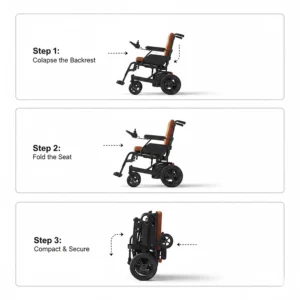
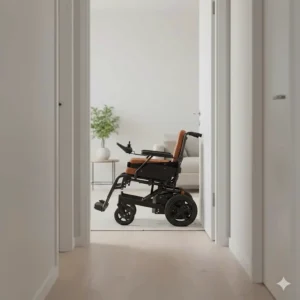
Here’s the thing: a compact electric wheelchair can be an absolute game-changer for indoor navigation. I’m talking about wheelchairs that actually glide through standard doorways, pivot effortlessly in cramped bathrooms, and make those tight kitchen corners feel surprisingly spacious. The difference between a standard power chair and a truly compact model isn’t just a few inches—it’s the difference between feeling trapped in your own home and reclaiming your independence.
Modern compact electric wheelchair technology has evolved dramatically. Today’s models pack serious power and comfort into surprisingly small footprints, with turning radii as tight as 17 inches and overall widths narrow enough to navigate 28-inch doorways with room to spare. Whether you need an indoor electric wheelchair for a cozy apartment or a narrow wheelchair electric model for a vintage home with tight hallways, there’s a solution that fits your specific needs.
In this comprehensive guide, I’ll walk you through everything you need to know about selecting the perfect compact electric wheelchair. We’ll explore the top 7 models currently available, dive into critical features like doorway clearance width and maneuverability indoors, and help you understand what makes a wheelchair truly suitable for tight spaces. By the end, you’ll know exactly which model deserves a spot in your home.
Quick Comparison Table: Top Compact Electric Wheelchairs at a Glance
| Model | Overall Width | Turning Radius | Weight | Range | Price Range |
|---|---|---|---|---|---|
| Forcemech Navigator Pro | 22″ | 33″ | 60 lbs | 18 miles | $1,699-$1,999 |
| Aotedor Dual Battery | 23″ | 35″ | 48.5 lbs | 35 miles | $2,299-$2,599 |
| HNLBFG Foldable | 24″ | 30″ | 36 lbs | 10 miles | $899-$1,199 |
| 2026 Upgrade 500W | 25″ | 32″ | 38 lbs | 18 miles | $1,299-$1,599 |
| QUELITH 500W | 23.6″ | 34″ | 61.7 lbs | 25 miles | $1,799-$2,099 |
| Goldseason Silver | 22.2″ | 28″ | 33 lbs | 15 miles | $1,199-$1,499 |
| NVORJO Lightweight | 24″ | 24″ | 36 lbs | 12 miles | $999-$1,299 |
💬 Just one click – help others make better buying decisions too!😊
Top 7 Compact Electric Wheelchairs: Expert Analysis
1. Forcemech Navigator Pro 2026 – Best All-Terrain Compact
The Forcemech Navigator Pro stands out as one of the most versatile compact options I’ve encountered. This powerhouse packs serious capability into a surprisingly maneuverable frame.
Key Specifications:
- 400 lbs weight capacity
- 33-inch tight turning radius
- Dual motor system (360W total)
- 18-mile range per charge
What really impressed me about this model is how it balances indoor maneuverability with outdoor capability. The 33-inch turning radius might seem larger compared to ultra-compact models, but it’s still tight enough for most standard bathrooms and hallways. Customer feedback consistently highlights the smooth operation and intuitive one-hand joystick control that makes navigating tight corners feel natural.
Quick Pros & Cons:
✅ Exceptional 400 lbs capacity for heavy-duty use
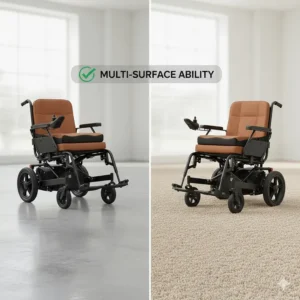
✅ All-terrain tires handle indoor and outdoor surfaces
✅ Comprehensive 5-year frame warranty
❌ Slightly heavier at 60 lbs
❌ Higher price point
Price Range: $1,699-$1,999
2. Aotedor Dual Battery System – Longest Range Champion
For those who refuse to compromise on travel distance, the Aotedor Dual Battery delivers an impressive 35-mile range that’s practically unheard of in the compact category.
Key Specifications:
- Aerospace-grade aluminum frame
- 330 lbs capacity
- Dual battery system (24V/20AH + 24V/10AH)
- 48.5 lbs without batteries
This innovative design features two separate batteries—one for extended daily use and a smaller airline-compliant battery for travel. Customers rave about the flexibility this provides, though you should always verify airline requirements beforehand. The electromagnetic brake system engages automatically when you release the joystick, providing excellent safety on slopes.
Quick Pros & Cons:
✅ Unprecedented 35-mile range
✅ Airline-compatible battery option
✅ 5-year warranty with 24/7 support
❌ Premium pricing
❌ Complex battery management for some users
Price Range: $2,299-$2,599
3. HNLBFG Ultra-Light Foldable – Most Portable Option
Weighing just 36 lbs with the battery included, the HNLBFG Foldable practically redefines what compact means. It folds to only 15 inches tall—small enough to fit in nearly any car trunk.
Key Specifications:
- 360W brushless motor
- Ultra-tight 30-inch turning radius
- 220 lbs capacity
- Folds in under 3 seconds
The slide-out battery design is brilliantly simple—pop it out for separate charging or to reduce weight even further during transport. Multiple customers mention how the double-joint armrests are surprisingly sturdy despite the lightweight construction. The intelligent electromagnetic braking system works flawlessly on inclines, automatically preventing rolling when you take your hands off the joystick.
Quick Pros & Cons:
✅ Incredibly lightweight for easy transport
✅ Lightning-fast 3-second folding
✅ Budget-friendly entry point
❌ Lower weight capacity (220 lbs)
❌ Shorter 10-mile range
Price Range: $899-$1,199
4. 2026 Upgrade 500W Dual Motor – Best Value Pick
This model hits a sweet spot between features and affordability that makes it perfect for budget-conscious buyers who won’t sacrifice quality.
Key Specifications:
- Powerful 500W dual motor system
- 350 lbs capacity
- 18+ mile range
- 38 lbs total weight
The 12-inch shock-resistant rear wheels make this an unexpectedly smooth ride on varied terrain. User reviews consistently mention the comfortable, ergonomically designed seat that remains pleasant even during extended use. The 12AH removable battery charges independently, making power management incredibly convenient for seniors who might find complex systems challenging.
Quick Pros & Cons:
✅ Excellent value proposition
✅ 5-speed adjustment levels
✅ Handles 12° slopes easily
❌ Basic feature set
❌ Standard warranty coverage
Price Range: $1,299-$1,599
5. QUELITH 500W Medical-Grade – Safety-First Design
Built with medical-grade lithium batteries and aviation-grade aluminum, the QUELITH 500W prioritizes safety and reliability above all else.
Key Specifications:
- 20AH medical-grade battery
- 25-mile extended range
- 350 lbs capacity
- Electromagnetic braking system
The four-layer solid craftsmanship frame provides exceptional stability both indoors and outdoors. What sets this model apart is the comprehensive safety package: puncture-proof tires, secure seat belt, and a robust braking system designed specifically for slope use. Customer feedback highlights how the responsive 360° joystick makes maneuvering in confined spaces remarkably intuitive.
Quick Pros & Cons:
✅ Medical-grade components throughout
✅ 25-mile range for all-day use
✅ Complete accessory package included
❌ Heavier build (61.7 lbs)
❌ Mid-range pricing
Price Range: $1,799-$2,099
6. Goldseason Silver 33lbs – Easiest to Operate
At just 33 lbs, the Goldseason combines featherweight construction with surprisingly robust 330 lbs capacity—a rare combination in compact wheelchairs.
Key Specifications:
- Ultra-lightweight 33 lbs
- 28-inch exceptional turning radius
- 15-mile range
- Removable 12AH battery
The sensitive 360° control lever receives consistent praise from users with limited hand strength or dexterity issues. This model folds in just 3 seconds, and the automatic braking function activates when both hands are removed from the control lever—perfect for users who need that extra safety assurance. The soft, breathable seat with removable backrest helps prevent discomfort during prolonged use.
Quick Pros & Cons:
✅ Outstanding weight-to-capacity ratio
✅ Top speed of 5 mph
✅ Handles complex terrains well
❌ Mid-range battery life
❌ Limited color options
Price Range: $1,199-$1,499
7. NVORJO Ultra-Compact – Tightest Turning Radius
For homes with exceptionally tight quarters, the NVORJO delivers a remarkable 24-inch turning radius that’s among the smallest you’ll find.
Key Specifications:
- Ultra-compact 24-inch turning radius
- 10-inch all-terrain wheels
- 220 lbs capacity
- Electromagnetic brake system
The ultra-compact design allows passage through standard doorways with exceptional ease. User reviews emphasize the weight balance design and professional-grade shock absorbers that ensure excellent stability even on uneven surfaces. The adjustable joystick switches between left and right-hand operation, providing flexibility for users with varying needs.
Quick Pros & Cons:
✅ Industry-leading turning radius
✅ Effortless doorway navigation
✅ Quiet, smooth operation
❌ Lower weight capacity
❌ Shorter 12-mile range
Price Range: $999-$1,299
Understanding Doorway Clearance Width: Why It Matters
Doorway clearance width might sound like boring technical jargon, but trust me, it’s the most critical measurement you’ll consider when selecting a compact electric wheelchair. According to the U.S. Access Board’s ADA guidelines, standard doorways in accessible buildings must provide at least 32 inches of clear width when the door is open at 90 degrees. However, many older homes feature doorways as narrow as 28-30 inches.
Here’s where things get practical. Your wheelchair’s overall width determines which doors you can actually pass through. A wheelchair measuring 24 inches wide needs at least a 30-inch doorway to navigate comfortably—and that’s cutting it close. Most experts recommend a minimum 3-inch clearance on each side for safe, stress-free passage.
Standard Doorway Measurements in U.S. Homes
- Standard interior doors: 30-32 inches
- Bathroom doors: Often 28-30 inches
- Bedroom doors: Typically 30-32 inches
- ADA-compliant doors: Minimum 32 inches clear width
The math is simple but crucial: measure your narrowest doorway, subtract your wheelchair’s overall width, and ensure you have at least 4-6 inches of total clearance for comfortable navigation. Otherwise, you’ll find yourself performing frustrating three-point turns or worse, damaging door frames and your wheelchair.
Tight Turning Radius: The Game-Changer for Indoor Mobility
A tight turning radius transforms how you experience your home. Think of it this way: it’s the smallest circle your wheelchair needs to complete a full 360-degree turn. The smaller this measurement, the easier it becomes to navigate tight corners, cramped bathrooms, and narrow hallways without the exhausting back-and-forth maneuvering that larger wheelchairs require.
According to research published in the National Center for Biotechnology Information, power wheelchair users report that improved maneuverability directly correlates with increased social participation and quality of life. When you can confidently navigate your home, you’re more likely to remain active and engaged rather than feeling limited by your mobility device.
What Makes a Good Turning Radius?
- Exceptional: Under 25 inches (perfect for tiny bathrooms)
- Very Good: 26-30 inches (handles most tight spaces)
- Good: 31-35 inches (suitable for standard homes)
- Adequate: 36-40 inches (requires more planning)
Mid-wheel drive configurations typically offer the tightest turning radii because the drive wheels are positioned directly under your center of gravity. This allows the wheelchair to pivot almost on the spot, like a zero-turn lawn mower. Front-wheel and rear-wheel drive models have slightly larger turning radii but offer other advantages like better stability at higher speeds or improved obstacle climbing.
Real-World Turning Radius Applications
Picture yourself in a standard 5×8 foot bathroom. With a 24-inch turning radius wheelchair, you can spin completely around between the toilet and sink. A 35-inch radius wheelchair? You might need to back up and reposition—turning a simple task into a multi-step challenge.
Maneuverability Indoors: Beyond the Numbers
While turning radius and width are crucial metrics, true indoor maneuverability involves several additional factors that manufacturers don’t always highlight.
Wheelbase Length: Longer wheelbases provide stability but require more room for turns. Compact models strategically reduce wheelbase length without sacrificing structural integrity.
Joystick Sensitivity: A responsive 360° joystick makes all the difference when navigating tight spaces. The best models offer variable speed settings—crawl mode for precision indoor navigation and faster speeds for outdoor travel.
Weight Distribution: Proper weight balance prevents tipping and allows smooth pivoting. Medical-grade designs incorporate sophisticated weight distribution systems that keep you stable during sharp turns.
The Mid-Wheel Drive Advantage
Mid-wheel drive wheelchairs position the drive wheels directly beneath your seat. This configuration delivers the tightest possible turning radius—some models achieve a stunning 17-inch turning circle. The trade-off? They can feel less stable at higher speeds and may require anti-tip wheels for safety on slopes.
Front-wheel drive models excel at climbing obstacles like door thresholds and offer better visibility since the drive wheels lead. However, they typically have larger turning radii (30-40 inches) and can feel less intuitive when reversing.
Rear-wheel drive provides excellent stability and tracking in straight lines, making them ideal for outdoor use. They’re the traditional configuration but often have the largest turning radii—sometimes exceeding 40 inches.
Choosing the Right Drive System for Your Home
Your home’s layout should drive your drive system choice. Here’s how to think about it strategically.
For Small Apartments & Tight Quarters
Mid-wheel drive is your best friend. Period. The ability to pivot in place makes navigating cramped kitchens, narrow bathways, and tight bedroom spaces dramatically easier. That 24-30 inch turning radius becomes invaluable when space is at a premium.
For Mixed Indoor/Outdoor Use
Front-wheel drive offers the best compromise. You get decent indoor maneuverability (30-35 inch turning radius) plus better outdoor performance and obstacle climbing ability. Perfect if you need to navigate both your home and community spaces.
For Primarily Outdoor Use with Some Indoor Navigation
Rear-wheel drive delivers superior outdoor performance—better tracking on uneven terrain, higher speeds, and excellent stability. Just ensure your home has sufficiently wide hallways and doorways to accommodate the larger turning radius.
Essential Features for Compact Electric Wheelchairs
Battery Life & Charging Convenience
Range anxiety is real, especially for compact models where manufacturers sometimes compromise battery capacity to reduce weight. Look for models offering at least 12-15 miles per charge for daily use. Removable batteries are game-changers—charge them separately while using a backup, or simply remove them to reduce transport weight.
Modern lithium-ion batteries typically achieve full charge in 4-6 hours. Some advanced models include battery management systems that optimize charging and prevent overcharging damage. Always verify whether replacement batteries are readily available and reasonably priced.
Weight Capacity vs Overall Weight
This balance is critical. You need a wheelchair that supports your weight comfortably while remaining light enough for transport and maneuvering. Most compact models range from 220-400 lbs capacity. Add at least 20-30 lbs to your body weight when calculating needs to account for clothing, bags, and other items.
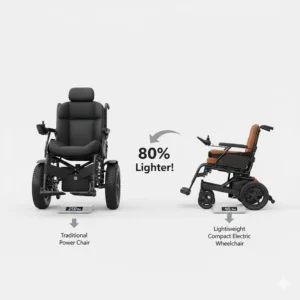
Ultra-lightweight models (30-40 lbs) sacrifice some durability and features but excel at portability. Mid-weight options (45-60 lbs) offer the best feature-to-weight ratio for most users. Heavy-duty models (60+ lbs) provide maximum capacity and features but become challenging to transport.
Seat Comfort & Adjustability
You’ll spend hours in this seat. Ergonomic design isn’t optional—it’s essential. Look for memory foam cushioning, breathable fabrics that prevent overheating, and adequate lumbar support. Seat width should allow at least 1-2 inches of clearance on each side for comfort without feeling cramped.
Adjustable armrests accommodate different table heights and transfer needs. Some models offer height-adjustable seats that facilitate easier transfers to beds, toilets, and cars. A removable or adjustable backrest helps prevent pressure sores during extended use.
Safety Features You Can’t Ignore
Electromagnetic Braking Systems
The best compact electric wheelchairs feature sophisticated electromagnetic brakes that engage automatically when you release the joystick. This prevents dangerous rolling on slopes and provides immediate stopping power in emergencies. According to ADA requirements, power wheelchairs used in public spaces must include reliable braking systems.
Anti-Tip Wheels & Stability
Anti-tip wheels are small wheels positioned at the rear or front of the wheelchair that prevent backward tipping on slopes or when climbing obstacles. Retractable versions allow you to adjust them based on terrain—extended for maximum safety on inclines, retracted for tighter indoor maneuverability.
Seat Belts & Safety Restraints
Never underestimate the importance of a proper seat belt. It’s not just about preventing falls—it helps maintain proper posture and reduces fatigue during extended use. Look for easy-to-use buckles that seniors with limited dexterity can operate independently.
Transportation & Storage Solutions
Foldability & Portability
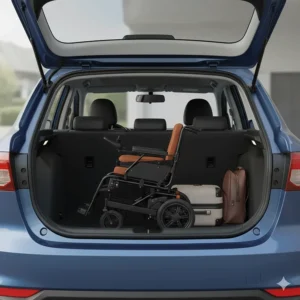
The ability to fold your wheelchair in 3 seconds or less transforms transportation from a hassle into a simple task. The best compact models fold to dimensions of 13-15 inches tall, fitting easily into car trunks, closets, or under tables.
Quick-release mechanisms should operate smoothly without requiring excessive strength. Some models feature one-handed folding systems perfect for users with limited mobility. Always verify folded dimensions against your vehicle’s trunk space before purchasing.
Weight Considerations for Caregivers
If a caregiver will regularly transport your wheelchair, total weight becomes crucial. Models under 40 lbs can be lifted by most adults without strain. Heavier models (50+ lbs) might require two people or a vehicle lift system.
Consider separating components for transport. Many wheelchairs allow you to remove the battery (typically 10-15 lbs) and sometimes the seat, reducing the main frame weight to manageable levels.

Maintenance & Long-Term Reliability
Regular Maintenance Tasks
Compact electric wheelchairs require surprisingly little maintenance, but consistency matters. Check tire pressure weekly (if pneumatic), inspect brakes monthly, and keep the joystick and electrical connections clean and dry. Lubricate moving parts according to manufacturer specifications—typically every 3-6 months.
Battery maintenance is crucial for longevity. Charge regularly even if not used, avoid complete discharge, and store in moderate temperatures (50-77°F optimal). Quality lithium-ion batteries typically last 2-3 years with proper care.
Warranty Coverage & Support
Premium warranties protect your investment. Look for at least 1-year comprehensive coverage on electronics and motors, with 2-5 year frame warranties. Some manufacturers offer exceptional support—the Forcemech Navigator Pro includes a 5-year frame warranty, 3-year motor coverage, and 24/7 customer support.
Always verify what’s actually covered. Does the warranty include labor costs? Shipping for repairs? Replacement parts? Understanding these details prevents expensive surprises down the road.
Medicare & Insurance Coverage
Many seniors qualify for Medicare Part B coverage of electric wheelchairs classified as durable medical equipment (DME). However, coverage requires meeting specific criteria: the wheelchair must be medically necessary for use in the home, prescribed by a doctor, and obtained from an approved supplier.
Medicaid coverage varies by state but often includes electric wheelchairs through Home and Community-Based Services waivers. Private insurance policies differ widely—contact your provider directly to understand your specific coverage and requirements.
The application process typically involves physician evaluation, prescription documentation, and sometimes prior authorization. Allow 4-8 weeks for approval and delivery. Working with a specialized DME provider who understands insurance requirements can streamline this process significantly.
Customization & Accessories
Essential Accessories for Daily Living
Side bags transform your wheelchair into a mobile storage solution—perfect for carrying phones, medications, books, or shopping items. Cup holders prevent spills and keep beverages within easy reach. Weather shields protect you and your electronics during unexpected rain.
LED lighting improves visibility and safety during evening use. Some models include integrated headlights and tail lights, while others accommodate aftermarket additions. Oxygen tank holders, cane clips, and umbrella mounts address specific needs without requiring custom modifications.
Comfort Upgrades
Gel cushions provide superior pressure distribution compared to foam, reducing the risk of pressure sores during extended use. Adjustable headrests support proper neck posture, particularly important for users with limited trunk control. Lumbar supports can be added to basic seats for improved comfort.
Climate control accessories like ventilated seat covers keep you cool in summer, while sheepskin covers provide warmth during winter months. These simple additions significantly improve daily comfort without breaking the budget.
Making Your Home Wheelchair-Friendly
Simple Modifications for Better Accessibility
Before your wheelchair arrives, assess your home for potential obstacles. Remove area rugs that can catch wheels or cause instability. Rearrange furniture to create wider pathways—aim for at least 36-inch clearances in high-traffic areas.
Consider installing grab bars in bathrooms even if your wheelchair is exceptionally maneuverable. They provide critical support during transfers and emergencies. Ramps for door thresholds higher than 1/2 inch prevent jolting and potential tipping when entering or exiting rooms.
Professional Home Assessment
Occupational therapists specializing in accessibility can identify modifications you might overlook. They assess everything from lighting (important for users with vision impairments) to counter heights and bathroom layouts. Many insurance plans cover these assessments as part of DME prescription processes.
Simple changes like reversing door swing directions, widening doorways by 2-4 inches, or installing offset hinges that provide extra clearance without major renovation can dramatically improve accessibility. Professional assessment ensures you prioritize modifications that deliver maximum benefit for your specific situation.
Comparing Compact vs Standard Electric Wheelchairs
| Feature | Compact Models | Standard Models |
|---|---|---|
| Overall Width | 20-25 inches | 25-30 inches |
| Turning Radius | 17-35 inches | 35-50 inches |
| Weight | 30-65 lbs | 75-120 lbs |
| Indoor Maneuverability | Excellent | Good |
| Outdoor Performance | Good | Excellent |
| Battery Range | 10-25 miles | 15-35 miles |
| Weight Capacity | 220-400 lbs | 300-500+ lbs |
Price vs Value: What to Expect in 2026
Budget options ($800-$1,200) provide basic functionality with limited features. These models typically offer 10-12 mile ranges, simpler construction, and standard 1-year warranties. They’re perfect for users with minimal requirements or tight budgets.
Mid-range models ($1,200-$2,000) hit the sweet spot for most users. Expect enhanced comfort, better build quality, 15-20 mile ranges, and comprehensive warranties. Features like adjustable components, improved safety systems, and better customer support justify the additional investment.
Premium options ($2,000-$3,500+) deliver cutting-edge technology, exceptional build quality, extended ranges (25+ miles), and comprehensive warranty packages. Advanced features like dual battery systems, medical-grade components, and lifetime customer support make these models ideal for users who depend on their wheelchair for daily independence.
Hidden Costs to Consider
Don’t forget ongoing expenses. Replacement batteries ($150-$400 every 2-3 years), periodic tire replacements ($40-$100), and potential repair costs impact total ownership. Extended warranties ($200-$500) can provide peace of mind and potentially save money long-term.
Insurance copays, delivery fees, and professional assembly might add $100-$300 to initial purchase costs. Factor these into your budget to avoid surprises.
Environmental Impact & Sustainability
Modern compact electric wheelchairs consume minimal energy—typically 25-30% less than conventional mobility devices according to the U.S. Energy Information Administration. Lithium-ion batteries offer better energy efficiency and longer lifespans than older lead-acid alternatives, reducing environmental impact.
Many manufacturers now use recyclable materials in construction. Aluminum frames can be recycled indefinitely, and some companies offer battery recycling programs. When your wheelchair reaches end-of-life, contact local recycling centers or wheelchair donation organizations rather than sending it to landfills.
Energy-efficient motors and smart power management systems extend battery life while reducing electricity consumption. Some models feature regenerative braking that recovers energy during deceleration, further improving efficiency.
✨ Don’t Miss These Exclusive Deals!
🔍 Take your mobility independence to the next level with these carefully selected compact electric wheelchair options. Click on any highlighted product name above to check current pricing and availability. These wheelchairs will help you reclaim your freedom and navigate your home with confidence!
FAQ: Your Compact Electric Wheelchair Questions Answered
❓ What is the narrowest electric wheelchair for tight doorways?
❓ How much turning radius do I need for indoor use?
❓ Can Medicare cover a compact electric wheelchair?
❓ What's the best weight for a portable compact wheelchair?
❓ How long do compact electric wheelchair batteries last?
Conclusion: Your Path to Indoor Freedom
Choosing the right compact electric wheelchair isn’t just about measurements and specifications—it’s about reclaiming your independence and transforming your relationship with your home. The difference between a wheelchair that fits and one that truly works for you can mean the distinction between feeling trapped and feeling free.
Throughout this guide, we’ve explored the top 7 compact electric wheelchair models available in 2026, each offering unique advantages for specific needs. The Forcemech Navigator Pro delivers exceptional all-terrain versatility with its 400-lb capacity and robust dual motor system. The Aotedor Dual Battery provides unmatched 35-mile range for users who refuse to compromise on distance. Meanwhile, the HNLBFG Ultra-Light at just 36 lbs proves that portability doesn’t require sacrificing essential features.
Remember that the best compact electric wheelchair for you depends on your specific circumstances. Measure your narrowest doorways, consider your tightest corners, and honestly assess your daily usage patterns. A 24-inch turning radius might be essential for a vintage home with tiny bathrooms, while a 33-inch radius perfectly suits a modern apartment with standard dimensions.
The technology has evolved remarkably—today’s compact models offer power, comfort, and reliability that were unimaginable just five years ago. Whether you prioritize ultra-tight maneuverability indoors, maximum battery range for all-day adventures, or exceptional portability for frequent travel, there’s a solution that matches your lifestyle perfectly.
Don’t let mobility limitations dictate your quality of life. With the right compact electric wheelchair, your home becomes accessible again, your independence returns, and those tight corners that once frustrated you become simple obstacles that you navigate with confidence. Take the measurements, review the options, and choose the model that transforms your daily experience from limitation to liberation.
Recommended for You
- 7 Best Electric Wheelchair for Seniors 2026
- 7 Best All Terrain Electric Wheelchairs 2026
- 7 Best Heavy Duty Electric Wheelchairs for 400 lbs 2026
Disclaimer: This article contains affiliate links. If you purchase products through these links, we may earn a small commission at no additional cost to you.
✨ Found this helpful? Share it with your friends! 💬🤗
