
In This Article
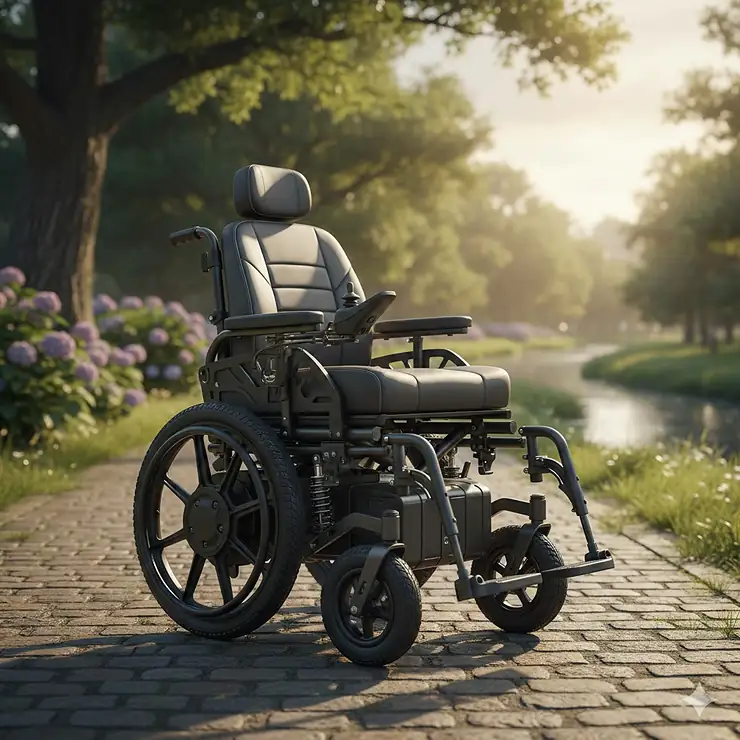
When standard mobility devices just won’t cut it anymore, you need something built to last and designed for real-world demands. I’ve spent countless hours researching and analyzing heavy duty electric wheelchair options, and I can tell you firsthand that finding the perfect fit requires more than just looking at weight limits.
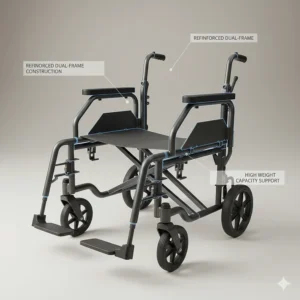
A heavy duty electric wheelchair is specifically engineered to support individuals who need extra strength, wider seating, and enhanced stability. These aren’t your average mobility devices. We’re talking about reinforced frames, powerful dual motors, and construction that can handle 400 lbs or more without compromising on comfort or performance. According to the Centers for Disease Control and Prevention (CDC), approximately 12% of adults in the United States have a medical condition or injury that affects mobility, and many of these individuals require specialized equipment that can accommodate higher weight capacities.
The heavy duty electric wheelchair market has evolved dramatically in 2026, offering innovative features like extra wide seating (up to 22 inches), extended battery ranges reaching 30 miles, and intelligent braking systems that provide comprehensive safety protection. The first electric-powered wheelchairs were invented by George Klein for the National Research Council of Canada to assist injured veterans after World War II, and the technology has advanced tremendously since then.
Whether you’re navigating indoor spaces or tackling outdoor terrain, understanding your options can make all the difference between frustration and freedom.
Quick Comparison Table
| Wheelchair Model | Weight Capacity | Seat Width | Range | Motor Power | Weight | Price Range |
|---|---|---|---|---|---|---|
| WalkFeel Heavy Duty | 400 lbs | 20″ | 25-30 miles | 500W Dual | 74 lbs | $1,200-$1,600 |
| Eagle HD Bariatric | 400 lbs | 19″ (expandable) | 22 miles | 500W Dual (250W×2) | 50 lbs | $1,400-$1,800 |
| Mammoth 60lb | 400 lbs | 20″ | 13+ miles | Dual Motors | 60 lbs | $900-$1,300 |
| ZEYULAX Extra Wide | 330 lbs | 20″ | 20 miles | 500W Dual (250W×2) | 74 lbs | $1,100-$1,500 |
| Electra 7 HD | 400 lbs | 21″ | 20+ miles | 500W Dual (250W×2) | 50 lbs | $1,500-$2,000 |
| Porto Mobility Ranger | 300 lbs | 18″ | 15+ miles | 600W Dual | 67 lbs | $1,800-$2,400 |
| Culver Artemis | 280 lbs | 17″ | 12 miles | 300W Dual (150W×2) | 47 lbs | $800-$1,200 |
💬 Just one click – help others make better buying decisions too!😊
✨ Don’t Miss These Exclusive Deals!
Top 7 Heavy Duty Electric Wheelchairs: Expert Analysis
1. WalkFeel Heavy Duty Electric Wheelchair – Best Overall
The WalkFeel Heavy Duty Electric Wheelchair stands out as my top recommendation for 2026, and for good reason. This powerhouse combines a generous 400 lb weight capacity with an impressive 25-30 mile range, making it ideal for extended outdoor adventures without range anxiety.
Key Specifications:
- Weight Capacity: 400 lbs with ultra-durable aluminum alloy frame
- Seat Dimensions: 20″ width (20% wider than standard models)
- Motor Power: 500W dual motor system
- Range: Up to 30 miles on single charge
- Folding Design: 3-second instant folding mechanism
What really impresses me about the WalkFeel is its security-focused design. The electromagnetic brakes engage automatically when you release the joystick, whether you’re on an incline, decline, or flat surface. Customer feedback consistently praises the double shock absorption system and thickened seat that minimizes bumps and fatigue during extended use.
Real User Insight: “The 67% larger tires make a huge difference on gravel driveways and grass. I can finally visit the park without worrying about getting stuck,” shared one verified Amazon purchaser.
✅ Pros:
- Exceptional 30-mile range eliminates charging anxiety
- One-Button SOS Call feature provides emergency safety
- Reinforced joints engineered for added security
- 12° slope climbing capability
❌ Cons:
- Heavier at 74 lbs (excluding battery)
- Premium price point
Price Range: $1,200-$1,600
2. Eagle HD Bariatric Power Wheelchair – Best for Travel
For frequent travelers who need a heavy duty electric wheelchair, the Eagle HD Bariatric is hard to beat. Weighing just 50 lbs without batteries, this FAA-approved wheelchair folds easily and fits in most car trunks despite its robust 400 lb capacity.
Key Specifications:
- Weight Capacity: 400 lbs
- Seat Width: 19″ padded seat (adjustable width available)
- Motor Power: Dual 250W brushless motors (500W total)
- Range: Up to 22 miles with dual lithium batteries
- Travel-Friendly: TSA and FAA approved
The Eagle HD features a reinforced aluminum frame that’s surprisingly lightweight yet incredibly strong. What sets this model apart is the wireless remote control functionality, allowing caregivers to operate the wheelchair from a distance. The joystick controller includes a USB charging port, so you can charge your phone on the go.
Customers rave about the quick 30-minute battery recharge time compared to the industry standard of 6-8 hours. The 12-inch rear tires provide excellent traction on dirt, gravel, and grass, making it versatile for both indoor and outdoor use.
✅ Pros:
- Lightest in its class at only 50 lbs
- Fastest charging time (30 minutes)
- Airline and cruise ship approved
- Wireless remote control included
❌ Cons:
- Premium pricing
- Seat width slightly narrower than competitors
Price Range: $1,400-$1,800
3. Mammoth 60lb Heavy Duty Mobility Wheelchair – Best Value
If budget is a primary concern but you still need a reliable 400 lb weight capacity wheelchair, the Mammoth 60lb offers exceptional value. This extra wide electric wheelchair provides smooth mobility across various terrains including grass, gravel, and snow, all while maintaining an affordable price point.
Key Specifications:
- Weight Capacity: 400 lbs
- Seat Width: 20″ with 5-inch foam cushion
- Motor Power: Powerful dual motor system
- Range: 13+ miles
- Frame Material: Aircraft-grade aluminum alloy
The Mammoth wheelchair features built-in shock absorbers that ensure a comfortable, stable ride. The breathable seat design prevents discomfort during extended use, and the foldable design allows for single-click folding for easy transport.
Customer reviews highlight the wheelchair’s reliability and comfortable seating. “I’ve been using this for six months and it’s held up perfectly. The shock absorbers really do make a difference on bumpy sidewalks,” noted one satisfied buyer.
✅ Pros:
- Excellent price-to-performance ratio
- Shock absorption for smooth ride
- TSA and FAA friendly for air travel
- Easy-to-detach joystick controller
❌ Cons:
- Shorter range compared to premium models
- Basic feature set
Price Range: $900-$1,300
4. ZEYULAX 20″ Extra Wide Electric Wheelchair – Best for All-Terrain Use
The ZEYULAX Electric Wheelchair with its 20-inch extra wide seat delivers impressive all-terrain performance with a 330 lb capacity. This dual motor power chair excels at handling diverse landscapes thanks to its spring suspension dampers and high-quality rubber tires.
Key Specifications:
- Weight Capacity: 330 lbs
- Seat Width: 20″ extra wide
- Motor Power: 500W dual motor (250W×2)
- Range: 20 miles
- Top Speed: 4 mph
The intelligent electronic braking system provides more sensitive and precise control than traditional electromagnetic systems. Once you release the joystick, the wheelchair automatically brakes to prevent tilting, while anti-tilt rear wheels, safety belt, and dual manual brakes add extra security.
Real User Experience: “The hand-push mode is a lifesaver for my caregiver. She can easily switch between electric and manual mode with just one touch of the pedal,” shared a recent purchaser.
✅ Pros:
- Spring suspension for terrain versatility
- One-second fast folding design
- Switchable hand-push/electric modes
- Comprehensive safety features
❌ Cons:
- Lower weight capacity than true heavy duty models
- Lead-acid battery adds weight (23 lbs)
Price Range: $1,100-$1,500
5. Electra 7 HD Bariatric Folding Power Wheelchair – Widest Seat Option
For users who need maximum seating space, the Electra 7 HD offers a generous 21-inch wide seat while still supporting 400 lbs. This reinforced frame wheelchair is built from aircraft-quality aluminum alloy, combining strength with portability.
Key Specifications:
- Weight Capacity: 400 lbs
- Seat Width: 21″ (widest in category)
- Motor Power: Dual 250W motors (500W total)
- Range: 20+ miles with included second battery
- Frame Weight: 50 lbs
The Electra 7 HD comes standard with two high-powered 250W motors and includes an extra battery pack with every purchase, effectively doubling your range. The 12-inch rear tires provide excellent traction for navigating hills and inclines.
Customers appreciate the customization options available. “We worked with the company to add lateral supports and a different backrest. They were incredibly helpful in making sure the chair fit my exact needs,” one reviewer explained.
✅ Pros:
- Widest seat available (21 inches)
- Two batteries included for extended range
- Customization options available
- Strong 500W total motor power
❌ Cons:
- Higher price point
- Limited color options
Price Range: $1,500-$2,000
6. Porto Mobility Ranger Quattro Ultra – Premium Performance
The Porto Mobility Ranger Quattro represents the premium end of the heavy duty electric wheelchair market with its powerful 600W motor and weatherproof construction. While it has a 300 lb capacity (lower than true heavy duty models), it excels in challenging conditions.
Key Specifications:
- Weight Capacity: 300 lbs
- Seat Width: 18″
- Motor Power: 600W exclusive dual motor
- Range: 15+ miles
- Special Features: Weatherproof, all-terrain
This dual motor power chair is designed for users who prioritize power and performance over maximum weight capacity. The weatherproof construction means you can use it confidently in various weather conditions without worrying about component damage.
✅ Pros:
- Most powerful motor in lineup (600W)
- Weatherproof construction
- Superior build quality
- Excellent customer service
❌ Cons:
- Lower weight capacity
- Premium pricing
- Heavier overall weight
Price Range: $1,800-$2,400
7. Culver Artemis All Terrain Electric Wheelchair – Best for Lightweight Portability
The Culver Artemis rounds out our list as an excellent option for users who need versatility and portability. While it has a lower 280 lb capacity, it’s incredibly lightweight at just 47 lbs, making it easy to transport and maneuver.
Key Specifications:
- Weight Capacity: 280 lbs
- Seat Width: 17″
- Motor Power: 300W dual motor (150W×2)
- Range: 12 miles
- Climbing Capability: 12° slope
This foldable electric wheelchair features a 3-second folding mechanism and can be easily placed in vehicle trunks. The anti-leaning rear design ensures perfect stability and safety during use.
Customer feedback emphasizes the comfortable ergonomic design. “The footrest collapses inward perfectly, making it so much easier to stand up. My mother loves how comfortable the double joint armrests are,” reported one family caregiver.
✅ Pros:
- Lightest weight (47 lbs)
- Budget-friendly pricing
- Fast 3-second folding
- Good for moderate use
❌ Cons:
- Lower weight capacity
- Shorter range
- Less powerful motors
Price Range: $800-$1,200
Understanding Heavy Duty Electric Wheelchair Technology
What Makes a Wheelchair “Heavy Duty”?
A heavy duty electric wheelchair is defined by several critical engineering features that distinguish it from standard models. The primary characteristic is the reinforced frame wheelchair construction, typically utilizing aircraft-grade aluminum alloy or reinforced steel that can safely support 400 lb weight capacity or higher.
According to wheelchair safety standards developed by the Centers for Medicare and Medicaid Services (CMS), heavy-duty wheelchairs must meet specific performance requirements including crash-tested securement points and rigorous durability standards. These standards ensure that the wheelchair can withstand not just static weight, but also the dynamic forces encountered during daily use.
Dual Motor Power Systems Explained
The dual motor power chair configuration has become the gold standard for high weight capacity wheelchair models. Unlike single-motor designs, dual motors distribute power more evenly across both wheels, providing several advantages:
Enhanced Traction: Each wheel receives independent power, improving grip on uneven surfaces and inclines. This is particularly important for users who need to navigate outdoor terrain or steep ramps.
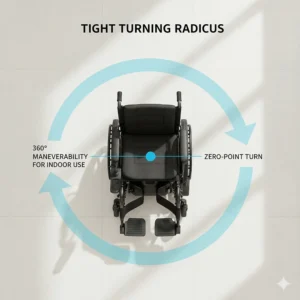
Improved Maneuverability: Dual motors allow for tighter turning radiuses and more responsive steering, making indoor navigation easier despite the wheelchair’s larger size.
Increased Reliability: If one motor experiences reduced performance, the second motor can compensate, ensuring you’re never completely stranded.
Most quality heavy duty electric wheelchair models feature brushless motors ranging from 250W to 350W per motor (500W-700W total), capable of climbing 12-15° slopes while carrying maximum weight.
Key Features to Prioritize in Heavy Duty Models
Reinforced Frame Construction
The backbone of any extra wide electric wheelchair is its frame. Modern heavy-duty models utilize one of two primary materials:
Aircraft-Grade Aluminum Alloy: Offers an excellent strength-to-weight ratio. These frames can support 400 lbs while keeping the wheelchair weight manageable (50-75 lbs). The corrosion-resistant properties ensure longevity even in humid or coastal environments.
Reinforced Steel: Provides maximum durability and can handle even higher weight capacities (450+ lbs), but adds significant weight to the overall unit. Steel frames are ideal for users who prioritize absolute stability over portability.
Battery Technology and Range Considerations
Battery performance directly impacts your independence and mobility freedom. Heavy duty electric wheelchair models in 2026 primarily use lithium-ion battery systems with capacities ranging from 10Ah to 20Ah.
Range Variables: Manufacturer claims of “up to 30 miles” assume ideal conditions: flat terrain, average speed, optimal temperature, and lighter user weight. In real-world use with a 400 lb load, expect 60-75% of the advertised range.
Dual Battery Systems: Several premium models now include two batteries, either installed simultaneously for extended range or as a backup. This feature eliminates range anxiety and provides peace of mind during longer outings.
Charging Time: Modern fast-charging systems can replenish batteries in 30 minutes to 2 hours, compared to 6-8 hours for older technology. Consider this when evaluating daily use patterns.
Intelligent Braking and Safety Systems
The majority of wheelchair-related injuries occur from tipping over or falling out of the device, making advanced braking systems essential. Contemporary heavy duty electric wheelchair models incorporate multiple safety mechanisms:
Electromagnetic Brakes: Engage automatically when the joystick returns to neutral, preventing unintended movement on slopes or when stationary.
Anti-Tip Wheels: Rear-mounted stabilizers that deploy when the chair encounters steep inclines, preventing backward tipping.
Electronic Speed Governors: Automatically reduce speed when navigating tight turns or uneven terrain, maintaining stability.
SOS Alert Systems: Emerging technology in 2026 allows users to trigger emergency alerts that notify designated contacts of their location and status.
Sizing and Comfort Considerations
Determining the Right Seat Width
Proper seat width is crucial for comfort and posture. According to the World Health Organization’s wheelchair provision guidelines, wheelchair users benefit from individualized approaches to wheelchair selection that ensure proper fit and positioning.
Measurement Method:
- Sit in a firm chair with feet flat on the floor
- Measure the widest part of your hips or thighs
- Add 2 inches for comfort and seasonal clothing
- Compare to wheelchair seat width specifications
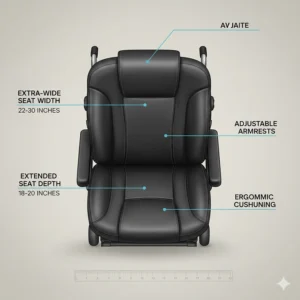
Standard wheelchairs offer 16-18″ seats, while heavy duty models provide 19-22″ options. The extra wide electric wheelchair category typically starts at 20″ and can expand to 24″ or more with extensions.
Cushioning and Pressure Relief
Extended sitting demands superior cushioning. Premium heavy duty electric wheelchair models feature:
Memory Foam Seats: Contour to your body shape, distributing weight evenly and reducing pressure points that can lead to discomfort or sores.
Breathable Materials: Prevent heat buildup and moisture accumulation during extended use, particularly important in warmer climates.
Removable Covers: Allow for easy cleaning and maintenance, extending the lifespan of the cushioning.
Indoor vs. Outdoor Performance Capabilities
Navigating Indoor Spaces
Despite their robust construction, the best heavy duty electric wheelchair models excel at indoor navigation. Key considerations include:
Turning Radius: Premium models achieve turning radiuses as tight as 20 inches, allowing navigation through standard doorways (32-36 inches) and maneuvering in bathrooms and kitchens.
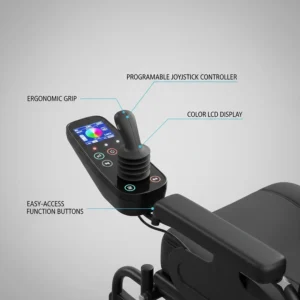
Speed Control: Indoor speeds typically range from 1-2 mph, providing precise control in confined spaces. The 360-degree joystick allows for smooth direction changes without multiple movements.
Footprint Management: Foldable designs reduce storage requirements when not in use, important for smaller living spaces or apartments.
Outdoor Terrain Handling
Outdoor capability separates average models from exceptional ones. A true dual motor power chair should handle:
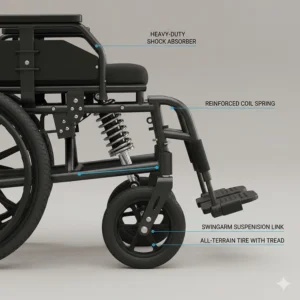
Grass and Gravel: Large rear tires (12-13 inches) with aggressive tread patterns provide traction on soft surfaces. Spring suspension systems absorb impact and maintain ride comfort.
Inclines and Hills: Motors rated for 12-15° climbing capability can handle most ADA-compliant ramps (maximum 8.3%) with power to spare.
Curb Transitions: Anti-tip wheels and reinforced front casters allow for safe navigation over curbs up to 2 inches when approached at the correct angle.
Weather Resistance: While most electric wheelchairs aren’t fully waterproof, quality models feature weather-resistant components that handle light rain and damp conditions.
Maintenance and Longevity
Essential Daily Checks
According to wheelchair safety guidelines, regular inspection and maintenance significantly reduce the risk of accidents and equipment failure. Daily maintenance should include:
Battery Level: Check charge status before each use. Many modern 400 lb weight capacity wheelchairs include battery indicators on the joystick controller.
Tire Pressure: Properly inflated tires (typically 30-35 PSI) ensure optimal performance and battery efficiency. Under-inflated tires increase rolling resistance and drain batteries faster.
Brake Function: Test the electromagnetic brakes by releasing the joystick on a slight incline. The wheelchair should immediately stop and hold position.
Visual Frame Inspection: Look for loose bolts, cracks in the frame, or unusual wear patterns that might indicate structural issues.
Periodic Professional Servicing
Heavy duty electric wheelchair models benefit from professional servicing every 6-12 months:
Motor Maintenance: Brushless motors require minimal maintenance, but connections should be inspected and tightened. Lubrication of moving parts ensures smooth operation.
Electrical System Check: Professional technicians can test battery health, inspect wiring connections, and verify the joystick controller’s calibration.
Frame Integrity: Annual inspections should assess weld points, joint connections, and overall structural soundness, particularly for users at or near maximum weight capacity.
Replacement Schedule: Expect to replace batteries every 18-24 months with regular use, tires every 12-18 months, and cushions annually depending on usage patterns.
Insurance Coverage and Financial Considerations
Medicare and Medicaid Coverage
Power wheelchairs, including heavy duty electric wheelchair models, may qualify for Medicare Part B coverage if certain criteria are met. The Centers for Medicare and Medicaid Services requires that wheelchairs meet specific performance and safety requirements for reimbursement eligibility.
Qualification Requirements:
- Medical necessity documented by physician
- Face-to-face examination within past 6 months
- Inability to use a manual wheelchair safely
- Need for mobility in the home environment
Coverage Limitations: Medicare typically covers 80% of approved costs after deductible, but may not cover features like elevated leg rests or specialty cushions unless medically necessary.
Private Insurance Options
Private insurance coverage varies significantly by provider and plan. Key considerations:
Prior Authorization: Most insurers require pre-approval before purchasing. Submit detailed documentation from your healthcare provider explaining why a high weight capacity wheelchair is medically necessary.
Preferred Vendors: Some insurance plans limit coverage to specific suppliers or manufacturers. Verify your chosen model is available through approved channels.
Out-of-Pocket Maximums: Understanding your plan’s annual out-of-pocket limit helps budget for the 20-30% copayment typically required.
Flexible Spending Accounts (FSA) and Health Savings Accounts (HSA)
Both FSA and HSA funds can be used for heavy duty electric wheelchair purchases when prescribed by a medical professional. These pre-tax accounts can significantly reduce your effective cost, providing savings of 25-35% depending on your tax bracket.
Travel and Transportation
Air Travel Compliance
The Eagle HD Bariatric and several other models in our review are TSA and FAA approved for air travel. However, specific regulations apply:
Battery Restrictions: Lithium-ion batteries must not exceed 300 watt-hours per battery. Most wheelchair batteries range from 250-280 watt-hours, falling within acceptable limits.
Advance Notification: Airlines require 48-72 hours notice for wheelchair transport. Provide detailed specifications including weight, dimensions, and battery type.
Gate Checking: Most heavy duty electric wheelchair models must be gate-checked due to size. Arrive early to allow extra time for the check-in process.
Vehicle Transport Considerations
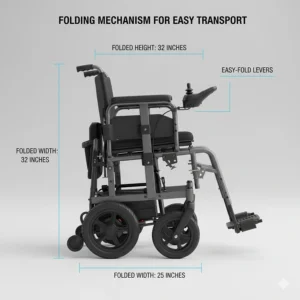
The foldable design of modern reinforced frame wheelchair models facilitates vehicle transport:
Trunk Space Requirements: Folded dimensions typically range from 13-15″ wide × 30-35″ long × 24-28″ high. Measure your trunk or cargo area before purchasing.
Weight Considerations: While the wheelchair itself weighs 50-75 lbs, removing the battery can reduce lifting weight by 15-25 lbs. Many models feature easy battery removal for this purpose.
Wheelchair Lifts: For users unable to lift the wheelchair, vehicle-mounted lifts provide automated loading. Verify the lift’s weight capacity matches your wheelchair’s specifications.
✨ Don’t Miss These Exclusive Deals!
🔍 Take your mobility to the next level with these carefully selected heavy duty electric wheelchair models. Click on any highlighted product to check current pricing and availability on Amazon. These powerful chairs will help you regain the freedom and independence you deserve!
How to Choose the Right Heavy Duty Electric Wheelchair
Step 1: Assess Your Weight and Size Requirements
Begin with accurate measurements. Weigh yourself with typical clothing and add 20-30 lbs as a safety buffer. This accounts for added items like bags, medical equipment, or seasonal clothing variations. Select a model with capacity exceeding your total by at least 50 lbs for optimal performance and longevity.
Step 2: Evaluate Your Primary Usage Environment
Consider where you’ll use the wheelchair most frequently. Indoor-focused users should prioritize compact turning radius and precise control. Outdoor enthusiasts need robust suspension, large tires, and powerful motors capable of handling terrain variations.
Step 3: Determine Required Range
Calculate your typical daily travel distance. For most users, 12-15 miles suffices for local errands and home mobility. Active users benefit from 20-30 mile range models, eliminating charging anxiety during extended outings.
Step 4: Budget Planning
Quality heavy duty electric wheelchair models range from $800-$2,400. Factor in:
- Initial purchase price
- Insurance coverage/copayments
- Ongoing maintenance costs ($200-400 annually)
- Battery replacement ($300-500 every 18-24 months)
- Optional accessories (cushions, bags, weather covers)
Step 5: Trial and Professional Consultation
Before purchasing, request demo units or visit suppliers offering trial periods. Physical therapists or mobility specialists can assess your specific needs and recommend optimal configurations. The WHO guidelines emphasize the importance of individualized wheelchair selection supported by trained personnel.
Common Mistakes to Avoid When Buying
Underestimating Actual Weight Capacity Needs
Many buyers select wheelchairs based on their current weight without accounting for fluctuations, clothing, carried items, or medical equipment. This oversight can lead to premature frame fatigue, reduced battery life, and potential safety issues.
Solution: Always select a model with at least 50-75 lbs more capacity than your maximum anticipated weight.
Ignoring Seat Width Comfort
A seat that’s technically “wide enough” by measurements can still feel cramped during extended use. Inadequate width leads to pressure points, restricted blood flow, and discomfort that limits mobility.
Solution: If measurements put you near the edge of a size category, size up. The extra comfort is worth the slightly larger footprint.
Focusing Solely on Price
While budget considerations are valid, the cheapest option often lacks durability, safety features, or adequate customer support. A wheelchair is a long-term investment in your independence.
Solution: Calculate total cost of ownership including maintenance, repairs, and replacement timelines. A $1,500 chair that lasts 5 years with minimal maintenance is more economical than an $800 model requiring replacement in 2 years.
Neglecting Try-Before-Buy Opportunities
Purchasing based solely on online reviews and specifications, without physical testing, can result in poor fit and buyer’s remorse.
Solution: Visit showrooms, request demo units, or utilize trial periods offered by reputable vendors. Most suppliers understand the importance of proper fit and accommodate testing requests.
Accessories and Customization Options
Essential Accessories
Upgraded Cushions: Memory foam or gel cushions ($150-300) significantly improve comfort for extended sitting. Some users benefit from specialized pressure-relief cushions if at risk for sores.
Weather Protection: Wheelchair covers ($40-80) protect electronics from rain and debris when stored outdoors. Lightweight rain ponchos ($25-50) allow continued use in light precipitation.
Storage Solutions: Rear-mounted bags ($30-60) or under-seat storage baskets ($25-45) provide convenient carrying capacity for groceries, medical supplies, or personal items.
Safety Accessories: Rear-view mirrors ($15-25) improve awareness in crowded spaces. Flag markers ($10-20) increase visibility to motorists when navigating roads or parking lots.
Customization Possibilities
Many extra wide electric wheelchair models offer customization options:
Seat Extensions: Increase width from standard 19″ to 21-24″ for larger users
Elevated Leg Rests: Provide therapeutic positioning for users with circulation issues
Lateral Supports: Add stability for users with limited core strength
Custom Backrest Options: Replace standard backrests with contoured, adjustable, or ventilated alternatives
Contact manufacturers or mobility specialists to discuss custom configurations. While adding cost, these modifications can transform a good wheelchair into the perfect mobility solution.
❓ Frequently Asked Questions
❓ How much weight can a heavy duty electric wheelchair actually support?
❓ What is the average lifespan of a 400 lb capacity wheelchair?
❓ Can I use my heavy duty electric wheelchair in the rain?
❓ How do I maintain the batteries in my dual motor power chair?
❓ Are extra wide electric wheelchairs harder to maneuver indoors?
Conclusion: Choosing Your Perfect Heavy Duty Electric Wheelchair
Finding the right heavy duty electric wheelchair requires balancing multiple factors: weight capacity, comfort, range, terrain capability, and budget. The models reviewed here represent the best options available in 2026, each excelling in specific areas while meeting fundamental heavy-duty requirements.
For most users, the WalkFeel Heavy Duty Electric Wheelchair offers the best combination of features, performance, and value. Its 400 lb capacity, 30-mile range, and comprehensive safety features make it suitable for diverse needs and usage patterns. The reinforced frame wheelchair construction ensures years of reliable service.
Budget-conscious buyers will find exceptional value in the Mammoth 60lb, which delivers essential heavy-duty capabilities at an accessible price point. Frequent travelers should seriously consider the Eagle HD Bariatric for its lightweight design and TSA approval.
Remember that your wheelchair is more than just mobility equipment—it’s the foundation of your independence and freedom. Take time to research, test options when possible, and consult with healthcare professionals or mobility specialists. The right heavy duty electric wheelchair transforms limitations into possibilities, allowing you to engage fully with life, family, and community.
Your mobility matters. Choose a wheelchair that supports not just your physical needs, but your aspirations for an active, independent lifestyle in 2026 and beyond.
Recommended for You
- 7 Best Lightweight Electric Wheelchair Models 2026
- 7 Best Electric Wheelchair Price Options 2026
- 7 Best Power Wheelchairs in 2026
Disclaimer: This article contains affiliate links. If you purchase products through these links, we may earn a small commission at no additional cost to you.
✨ Found this helpful? Share it with your friends! 💬🤗
