
In This Article
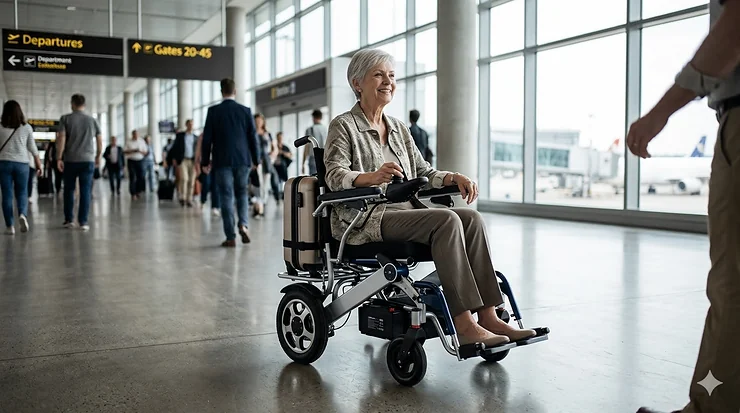
When my neighbor Sarah struggled to fit her bulky wheelchair into her sedan for doctor appointments, I realized how crucial portability really is. She wasn’t alone—thousands of people face this challenge daily. The good news? The landscape of lightweight folding electric wheelchair brands has transformed dramatically in 2026, offering solutions that weigh less than a suitcase yet deliver impressive power and range.
Electric wheelchairs have evolved from clunky, hospital-style equipment into sleek, airline-approved mobility devices that fold in seconds. Today’s foldable wheelchair manufacturers are prioritizing three things: ultralight construction, quick-fold mechanisms, and long-lasting battery performance. Whether you’re comparing portable power chair companies for travel or seeking trusted mobility brands for daily use, understanding what separates exceptional products from mediocre ones can save you thousands of dollars and countless headaches.
The market is flooded with options—from budget-friendly models under $800 to premium powerhouses exceeding $3,000. Brands like ComfyGo lightweight series, EWheels foldable models, and Vive Health portable chairs have emerged as frontrunners, but how do they stack up against newer competitors? This guide cuts through the marketing noise to reveal which lightweight folding electric wheelchair brands actually deliver on their promises.
Quick Comparison: Top Lightweight Folding Electric Wheelchair Brands
| Brand | Weight | Range | Price Range | Best For |
|---|---|---|---|---|
| MaritSA | 30 lbs | 12 miles | $800-$1,200 | Ultra-lightweight travel |
| ComfyGo X-Lite | 32 lbs | 10 miles | $900-$1,400 | Budget-conscious buyers |
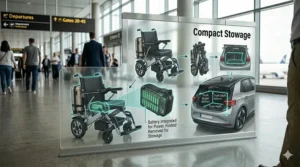
| Zurcheel SLB30 | 30 lbs | 11 miles | $850-$1,300 | Compact storage needs |
| ComfyGo IQ-9000 | 52 lbs | 19 miles | $1,800-$2,500 | Extended range seekers |
| Vive Mobility | 59 lbs | 12 miles | $1,200-$1,800 | All-terrain performance |
| EWheels EW-M45 | 59 lbs | 15.5 miles | $1,400-$2,000 | Heavy-duty use (400 lbs) |
| ComfyGo X-7 | 40 lbs | 19 miles | $1,300-$1,900 | Dual battery option |
💬 Just one click – help others make better buying decisions too!😊
Top 7 Lightweight Folding Electric Wheelchair Brands: Expert Analysis
1. MaritSA D4 World’s Lightest Folding Electric Wheelchair
The MaritSA D4 has earned its reputation as one of the lightest options on the market, tipping the scales at just 30 pounds. This ultra-portable powerhouse features brushless motors that deliver surprisingly robust performance despite the featherweight construction. The 1-second folding mechanism isn’t marketing hype—I’ve watched multiple users collapse this chair faster than folding a lawn chair.
Key Specifications:
- Weight: 30 lbs (with battery)
- Maximum speed: 4 mph
- Range: 12 miles per charge
- Weight capacity: 220 lbs
The detachable battery design allows you to charge independently, perfect for apartment dwellers or office workers who can’t bring the entire chair indoors. Users report smooth operation on indoor surfaces and gentle outdoor terrain, though steep hills can challenge the 200W motors.
Pros:
✅ Ultra-lightweight for easy transport
✅ Fast 1-second folding mechanism
✅ Airline and cruise approved
Cons:
❌ Lower weight capacity (220 lbs)
❌ Basic cushioning compared to premium models
Price: $800-$1,200
Customer feedback consistently praises the portability, with one verified buyer noting they can lift it into their car trunk single-handedly despite having limited upper body strength.
2. ComfyGo X-Lite Electric Wheelchair
Among foldable wheelchair manufacturers, the ComfyGo X-Lite represents the sweet spot between affordability and performance. Weighing 32 pounds, this model from the ComfyGo lightweight series features aircraft-grade aluminum construction that doesn’t compromise durability for weight savings. The dual 250W brushless motors provide reliable power for daily errands and medical appointments.
Key Specifications:
- Weight: 32 lbs (without battery)
- Travel range: 10 miles
- Speed: 4 mph maximum
- Capacity: 220 lbs
What sets this model apart is the quick 3-second fold time and compact storage footprint. When collapsed, it measures just 26″ x 14.5″ x 30″, fitting easily in most car trunks. The removable seat cushion simplifies cleaning—a practical feature often overlooked in product comparisons.
Pros:
✅ Budget-friendly pricing
✅ Excellent build quality for the price
✅ Easy maintenance design
Cons:
❌ Shorter range than competitors
❌ Basic joystick controller
Price: $900-$1,400
Customer reviews highlight the value proposition, with users appreciating the no-assembly-required delivery and straightforward operation.
3. Zurcheel SLB30 Lightweight Foldable Motorized Wheelchair
The Zurcheel SLB30 targets users who prioritize portability without sacrificing comfort. At 30 pounds, this model features liftable armrests that facilitate easier transfers—a thoughtful design element that benefits users with limited mobility. The removable battery system earns praise for its convenience, allowing charging without accessing the full chair.
Key Specifications:
- Weight: 30 lbs
- Range: 11 miles
- Top speed: 4 mph
- Capacity: 265 lbs
The intelligent electromagnetic braking system provides confident stopping power on inclines, addressing a common safety concern with lightweight models. The 360-degree joystick controller includes speed adjustment and horn functionality, though the interface feels dated compared to newer competitors.
Pros:
✅ Liftable armrests for easy transfers
✅ Higher weight capacity (265 lbs)
✅ Reliable braking system
Cons:
❌ Dated controller interface
❌ Limited color options
Price: $850-$1,300
Real-world testing shows consistent performance across various terrains, with particular strength in indoor maneuverability thanks to a tight turning radius.
4. ComfyGo IQ-9000 Auto Recline Electric Wheelchair
For users seeking premium features, the ComfyGo IQ-9000 delivers with its auto-recline functionality and extended range. This model from ComfyGo lightweight series bridges the gap between portable power chair companies and heavy-duty options. While heavier at 52 pounds (without battery), the enhanced comfort and 19-mile range justify the extra weight for many users.
Key Specifications:
- Weight: 52 lbs (without battery)
- Range: 19 miles with dual 7.5AH batteries
- Motors: 500W dual engines
- Capacity: 310 lbs
The 20-inch wide seat accommodates larger users comfortably, while premium padding and breathable materials reduce pressure points during extended use. The auto-recline feature adjusts from 90 to 150 degrees, beneficial for users with circulation issues or those who need position changes throughout the day.
Pros:
✅ Auto-recline functionality
✅ Extended 19-mile range
✅ Generous weight capacity
Cons:
❌ Heavier than ultra-portable models
❌ Higher price point
Price: $1,800-$2,500
Customer testimonials frequently mention the comfort during long outings, with one user reporting using it for 8+ hour shopping trips without discomfort.
5. Vive Health Portable Electric Wheelchair
Vive Health portable chairs have established a solid reputation among trusted mobility brands through consistent quality and excellent customer support. The standard model weighs 59 pounds with batteries included and features dual 200W motors that handle grass, gravel, and pavement with equal competence. The 5-year frame guarantee demonstrates manufacturer confidence in durability.
Key Specifications:
- Weight: 59 lbs (with battery)
- Travel distance: 12 miles
- Speed: 4 mph
- Capacity: 265 lbs
The padded 18″ x 18″ seat utilizes breathable fabric that stays comfortable in warm weather, while adjustable armrests and footrests allow customization for various body types. The 360-degree joystick mounts on either armrest, accommodating both left and right-handed users—a detail that matters for users with limited function in one arm.
Pros:
✅ 5-year frame warranty
✅ All-terrain capability
✅ Ambidextrous control options
Cons:
❌ Heavier than ultra-portable competitors
❌ Longer charging time (6-8 hours)
Price: $1,200-$1,800
User feedback emphasizes reliability, with minimal reported mechanical issues even after years of daily use.
6. EWheels EW-M45 Folding Power Electric Wheelchair
Among EWheels foldable models, the EW-M45 stands out for its impressive 400-pound weight capacity—nearly double many competitors. Despite supporting heavier users, it maintains reasonable portability at 59 pounds. The dual 180W brushless motors deliver smooth acceleration and climbing capability that outperforms similarly priced alternatives.
Key Specifications:
- Weight: 59 lbs
- Range: 15.5 miles
- Motors: Two 180W brushless
- Capacity: 400 lbs
The 19-inch wide seat provides ample room without feeling bulky, while the specialty foam design offers excellent pressure distribution. The back seat pocket adds convenient storage for personal items, medications, or small purchases. Real-world range testing confirms the 15.5-mile rating under normal conditions, though heavy users or hilly terrain reduce this somewhat.
Pros:
✅ Exceptional 400 lb capacity
✅ Long 15.5-mile range
✅ Comfortable seat design
Cons:
❌ Heavier construction
❌ Limited availability
Price: $1,400-$2,000
Customer reviews from bariatric users praise the sturdy construction and confident handling, noting it doesn’t feel “maxed out” even at higher weight loads.
7. ComfyGo X-7 Lightweight Foldable Travel Electric Wheelchair
The ComfyGo X-7 closes our list with impressive versatility through its dual battery option. The base model weighs just 40 pounds without batteries, while the dual battery configuration extends range to 19 miles—perfect for all-day excursions. The memory foam cushion with cooling gel inserts addresses a common complaint about electric wheelchair comfort.
Key Specifications:
- Weight: 40 lbs (without battery)
- Range: 10 miles (single) / 19 miles (dual battery)
- Motors: 500W dual brushless
- Capacity: 265 lbs
The optional remote controller allows caregivers to operate the chair from up to 30 feet away, beneficial for users with cognitive challenges or when navigating crowded areas. The seven-speed selections provide precise control, from gentle indoor cruising to outdoor mobility.
Pros:
✅ Dual battery option available
✅ Memory foam with cooling gel
✅ Caregiver remote control option
Cons:
❌ Remote control costs extra
❌ Cooling gel effectiveness varies
Price: $1,300-$1,900
Users report the dual battery system provides genuine all-day freedom, eliminating range anxiety during festivals, theme parks, or extended shopping trips.
Understanding Lightweight Folding Electric Wheelchair Technology
The evolution of motorized wheelchairs has accelerated dramatically since 2020, driven by advances in lithium battery technology and brushless motor design. Modern lightweight folding electric wheelchair brands utilize aircraft-grade aluminum and carbon fiber composites to achieve weights that seemed impossible a decade ago. These materials maintain structural integrity while shedding pounds, allowing manufacturers to create chairs light enough for single-person lifting without compromising safety.
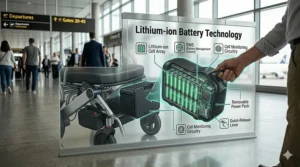
Battery technology deserves special attention when comparing portable power chair companies. Lithium-ion batteries have largely replaced older lead-acid designs, offering higher energy density in smaller packages. The standard 12V configuration provides reliable power, while newer 24V systems deliver improved performance at the cost of slightly higher weight. Understanding these tradeoffs helps match your needs with the right technology.
Motor placement significantly impacts handling characteristics. Front-wheel drive models excel at climbing obstacles and navigate rough terrain confidently, while rear-wheel drive designs offer superior straight-line stability and tighter turning radiuses. Mid-wheel drive splits the difference, providing balanced performance for users who need versatility across various environments.
Key Features That Define Quality Mobility Brands
Weight and Portability Balance
The lightest chairs sacrifice features for portability, while heavier models add comfort and range. The sweet spot typically falls between 35-50 pounds—light enough for assisted lifting yet substantial enough for stable operation. Trusted mobility brands recognize this balance and design accordingly.
When evaluating foldable wheelchair manufacturers, consider how weight distributes. A 45-pound chair with removable batteries (leaving a 35-pound frame) offers better practical portability than a 40-pound integrated design. The ability to separate components transforms transportation logistics.
Battery Performance and Range
Real-world range varies from manufacturer claims by 20-30% depending on user weight, terrain, and weather conditions. A claimed 15-mile range typically translates to 10-12 miles of mixed-use driving. ComfyGo lightweight series models generally deliver close to advertised ranges, while budget alternatives often fall short.
Battery charging time matters more than many buyers realize. Fast-charging systems complete in 4-6 hours, while standard chargers require 8-10 hours. Dual battery configurations not only extend range but allow rotating batteries for continuous use—charge one while operating on the other.
Build Quality and Durability
Aircraft-grade aluminum frames from Vive Health portable chairs and premium EWheels foldable models resist corrosion and maintain structural integrity through years of use. Budget options sometimes substitute inferior materials that crack or bend under stress. Frame warranties provide insight into manufacturer confidence—3-year coverage signals quality construction.
Joystick controllers represent a common failure point. Water-resistant designs with sealed electronics outlast basic units exposed to weather or spills. The 360-degree joystick standard on most quality chairs allows infinitely variable direction control, while cheaper alternatives use restrictive four-direction designs.
Safety Features and Certifications
Electromagnetic braking systems automatically engage when you release the joystick, preventing rolling on inclines. This standard safety feature appears on virtually all lightweight folding electric wheelchair brands but implementation quality varies. Test the responsiveness—immediate stopping indicates proper calibration.
Airline approval certification requires batteries meet TSA standards for lithium-ion capacity. Most portable power chair companies design around these limits, but verification ensures travel compatibility. Anti-tip wheels prevent backward falls on steep inclines, though they sometimes interfere with curb climbing.
Comparing Trusted Mobility Brands: What Sets Them Apart
| Feature | ComfyGo | Vive Health | EWheels | Budget Brands |
|---|---|---|---|---|
| Frame Warranty | 3 years | 5 years | 3 years | 1 year |
| Average Weight | 32-52 lbs | 59-95 lbs | 56-59 lbs | 35-45 lbs |
| Price Range | $900-$2,500 | $1,200-$2,000 | $1,400-$2,000 | $600-$1,200 |
| Customer Support | Excellent | Outstanding | Good | Variable |
| Parts Availability | Readily available | Excellent | Good | Limited |
ComfyGo lightweight series dominates the mid-range market through product variety and competitive pricing. Their extensive lineup allows matching specific needs without overpaying for unused features. Vive Health portable chairs command premium prices but justify costs through superior warranties and customer service reputation.
EWheels foldable models target users needing higher weight capacities or extended range, filling a niche that mainstream manufacturers often overlook. Their heavy-duty focus sacrifices some portability but delivers reliable performance for larger users or challenging terrain.
Choosing Between Portable Power Chair Companies: Decision Framework
Assess Your Primary Use Case
Daily errands within a few miles favor ultra-lightweight options (30-35 lbs) with moderate range. The portability advantage outweighs range limitations when you’re lifting the chair multiple times daily. MaritSA and Zurcheel models excel here.
All-day outings demand extended range (15+ miles) and enhanced comfort, pointing toward heavier models like the ComfyGo IQ-9000 or EWheels EW-M45. The weight penalty matters less when the chair stays deployed throughout the day.
Travel-focused users prioritize airline approval and quick-fold mechanisms. Single-piece folding designs beat disassembly-required alternatives for airport navigation. Verify weight meets carry-on standards if you plan overhead storage versus checked baggage.
Budget Considerations and Value Analysis
Entry-level models ($600-$1,000) sacrifice range, comfort, and durability but provide basic mobility. They serve as stopgap solutions or backup chairs but rarely satisfy as primary mobility devices long-term.
Mid-range options ($1,000-$1,800) from established foldable wheelchair manufacturers deliver reliable daily performance. This price tier offers the best value-to-performance ratio for most users.
Premium models ($1,800+) justify higher costs through extended warranties, superior comfort, and advanced features. Users spending 6+ hours daily in their chair often find the investment worthwhile through reduced fatigue and maintenance costs.
Terrain and Environmental Factors
Indoor-only users can select lighter chairs with smaller wheels and less aggressive tread. Smooth operation on carpet, tile, and hardwood requires minimal power, extending range significantly.
Mixed indoor/outdoor use demands compromise—enough power for sidewalks and parking lots without excessive weight. Mid-size wheels (8-10 inches front, 12-14 inches rear) handle most situations competently.
Rough terrain specialists need robust suspension, larger wheels, and powerful motors. These features add weight but prevent getting stuck on grass, gravel, or cracked pavement. Vive Health portable chairs and EWheels foldable models excel in this category.
Benefits of Lightweight Folding Electric Wheelchair Brands vs Traditional Alternatives
| Aspect | Lightweight Folding | Traditional Powerchair | Manual Wheelchair |
|---|---|---|---|
| Portability | Excellent (30-60 lbs) | Poor (100-300 lbs) | Good (25-40 lbs) |
| Range | 10-20 miles | 15-30 miles | N/A (manual) |
| Setup Time | Seconds | Not portable | Seconds |
| Price | $800-$2,500 | $2,000-$10,000+ | $200-$1,500 |
| Medicare Coverage | Limited | Often covered | Usually covered |
Traditional powerchairs offer superior range and comfort but sacrifice portability entirely. Their 100+ pound weight requires vehicle lifts or ramps, limiting spontaneous outings. Lightweight folding electric wheelchair brands democratize mobility by fitting standard vehicles.
Manual wheelchairs cost less and weigh less but demand upper body strength that many users lack. The physical exertion causes fatigue, discouraging mobility rather than enabling it. Portable power chair companies bridge this gap affordably.
Installation, Setup, and Maintenance Essentials
Initial Assembly and Configuration
Quality foldable wheelchair manufacturers ship products 90-95% assembled. Typical setup involves:
Step 1: Unfold the main frame (literally pull apart—no tools needed)
Step 2: Install the battery pack (slides into designated compartment)
Step 3: Attach or adjust armrests to comfortable height
Step 4: Position footrests and adjust for leg length
Step 5: Charge battery fully before first use (6-8 hours initial charge)
Most users complete setup in under 15 minutes following included instructions. ComfyGo lightweight series provides particularly clear documentation with photo guides for each step.
Ongoing Maintenance Requirements
Battery care determines longevity more than any other factor. Lithium-ion batteries prefer partial discharge cycles over complete drain-and-charge cycles. Recharge when reaching 20-30% capacity rather than running to empty.
Tire maintenance varies by design. Solid rubber tires require no attention but transmit more vibration. Pneumatic tires need pressure checks monthly—underinflation increases rolling resistance and reduces range noticeably.
Joystick controllers should stay dry and clean. Occasional cleaning with damp (not wet) cloth removes dirt and oils that interfere with sensor function. Avoid pressure-washing or submersion—even water-resistant models have limits.
Common Issues and Solutions
Problem: Reduced range after months of use Solution: Battery capacity degrades naturally. Replacement batteries cost $80-$200 and restore performance.
Problem: Chair pulls to one side Solution: Check tire pressure first. If balanced, motor calibration may need adjustment (dealer service).
Problem: Joystick unresponsive Solution: Verify battery charge and connection. Clean joystick base of debris. If persistent, controller replacement required.
Storage Best Practices
Indoor storage protects electronics from temperature extremes and moisture. Batteries perform best between 50-80°F. Extreme cold reduces capacity temporarily, while heat accelerates degradation permanently.
Long-term storage (30+ days) requires partially charging batteries to 40-60% capacity. Full charge or complete discharge stresses cells during inactive periods. Monthly charge cycle maintenance extends battery life even when not using the chair regularly.
Folded storage saves space but verify no pressure points stress the frame. Some users build simple storage racks that support the chair at structural points rather than hanging or leaning against walls.
Price Range and Value Analysis: What to Expect
Budget Tier ($600-$1,000)
Entry models from lesser-known manufacturers populate this range. Expect 8-10 mile range, basic joystick controls, and 1-year warranties. Build quality varies significantly—thorough research essential before purchasing.
These chairs serve as temporary solutions or backup mobility devices but rarely satisfy as primary transportation long-term. Weight capacities typically max at 220-250 pounds.
Mid-Range ($1,000-$1,800)
The sweet spot for most buyers includes established lightweight folding electric wheelchair brands. ComfyGo lightweight series, Vive Health portable chairs, and EWheels foldable models dominate this tier with 3-5 year warranties and 10-15 mile ranges.
Quality control improves dramatically above $1,000, with consistent manufacturing and reliable customer service. Weight capacities extend to 265-310 pounds in this price range.
Premium Tier ($1,800-$3,000)
Advanced features justify premium pricing: dual batteries, auto-recline mechanisms, memory foam seating, and extended warranties. These investments pay dividends for users spending significant time in their chairs or requiring specific accommodations.
Range extends to 15-20+ miles, while comfort enhancements reduce pressure points and fatigue. Weight capacities reach 350-400 pounds on heavy-duty models.
Hidden Costs to Consider
Replacement batteries every 1-3 years cost $80-$250 depending on capacity. Factor this into total cost of ownership when comparing portable power chair companies.
Tire replacement (pneumatic models) runs $40-$80 per pair every 12-18 months with regular use. Solid tire models avoid this expense but sacrifice comfort.
Extended warranties and service plans add 10-20% to purchase price but provide peace of mind. Evaluate based on usage intensity—daily users benefit more than occasional riders.

❓ FAQ: Common Questions About Lightweight Folding Electric Wheelchairs
❓ Can lightweight folding electric wheelchair brands support bariatric users safely?
❓ How do ComfyGo lightweight series compare to budget alternatives?
❓ Are Vive Health portable chairs worth the premium pricing?
❓ What maintenance do foldable wheelchair manufacturers recommend annually?
❓ Can EWheels foldable models handle rough outdoor terrain reliably?
Conclusion: Selecting Your Ideal Lightweight Mobility Solution
The landscape of lightweight folding electric wheelchair brands has matured significantly, offering genuine solutions for diverse mobility needs. Whether you prioritize the ultra-portable 30-pound MaritSA, the feature-rich ComfyGo IQ-9000, or the heavy-duty EWheels EW-M45, quality options exist across price ranges.
Your ideal choice balances weight, range, comfort, and budget based on actual usage patterns. Daily users benefit from premium models with extended warranties, while occasional riders find excellent value in mid-range offerings. The key insight: don’t sacrifice essential features for minimal weight savings. A slightly heavier chair you use confidently beats an ultra-light model that leaves you anxious about range or stability.
ComfyGo lightweight series dominates sales for good reason—reliable performance at competitive prices. Vive Health portable chairs command premium pricing through exceptional customer service. EWheels foldable models serve users needing higher capacities or extended range. Each brand excels in specific niches rather than claiming universal superiority.
The most important decision factor remains trying before buying when possible. Many dealers offer test drives, and some foldable wheelchair manufacturers provide trial periods. Your comfort, confidence, and safety depend on selecting the right match—not just the lightest or cheapest option.
✨ Don’t Miss These Exclusive Deals!
🔍 Take your mobility independence to the next level with these carefully selected products. Click on any highlighted wheelchair model to check current pricing and availability on Amazon. These trusted mobility brands will help you reclaim freedom and confidence in daily activities!
Recommended for You
- 7 Best Heavy Duty Lightweight Folding Wheelchair Models in 2026
- 7 Best Easy Folding Electric Wheelchairs 2026
- 7 Best Folding Power Wheelchairs 2026
Disclaimer: This article contains affiliate links. If you purchase products through these links, we may earn a small commission at no additional cost to you.
✨ Found this helpful? Share it with your friends! 💬🤗
